Gaming
Free Fire Daybreak Anime: 7 Exciting Details Revealed
Free Fire Daybreak anime arrives in Spring 2027. Explore Kelly’s story, Project Bloom, the trailer, studio, staff, and confirmed release details.

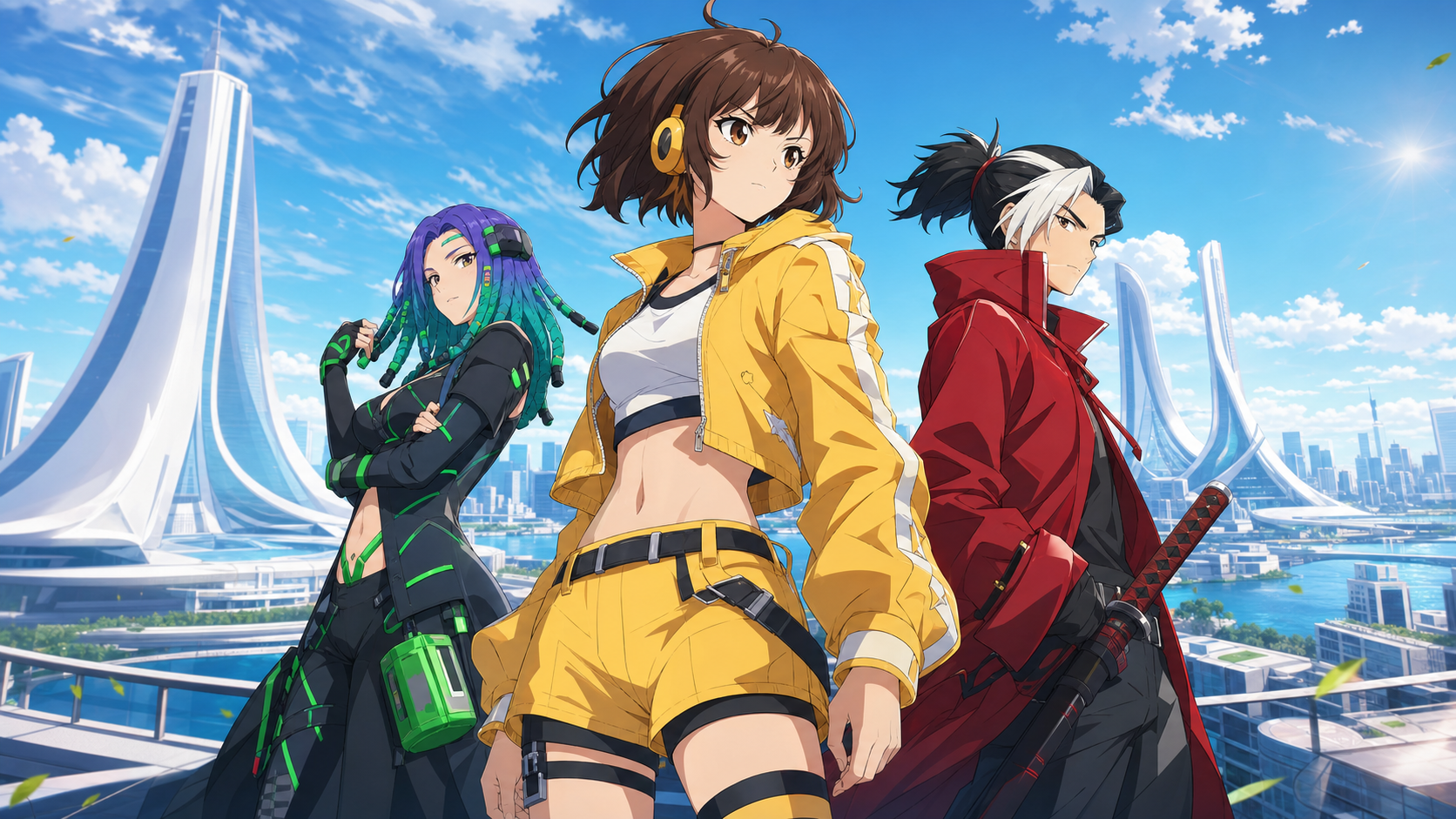
Free Fire Daybreak anime is officially coming in Spring 2027, turning Garena’s globally popular battle royale into a new animated story built around Kelly, Project Bloom, and the futuristic city of New Dawn. Garena and KADOKAWA revealed the title, first promotional trailer, key visual, story outline, and principal staff on July 25, 2026. Unlike a simple retelling of a typical match, the series appears ready to explore memory, conspiracy, friendship, and superhuman power through a serialized action narrative.
That approach gives both longtime players and anime newcomers a clear reason to pay attention. Here is everything officially confirmed about Free Fire Daybreak, along with what the first story details suggest about its larger mystery.
Free Fire Daybreak Anime Is Officially Confirmed
Garena and KADOKAWA have confirmed that the anime will premiere worldwide in Spring 2027, including a Japanese broadcast and international streaming release. The companies are jointly investing in the production, while Studio CANDYBOX is handling the animation. Although an exact premiere date and streaming platform have not yet been announced, the global release plan indicates that this is being positioned as a major expansion of the Free Fire universe rather than a small promotional spin-off.
The timing matters. Free Fire has spent years building a huge international player base, especially on mobile devices. However, an anime needs more than familiar names to succeed. By introducing a defined city, a central conspiracy, and a mystery tied to its heroine’s past, Daybreak has the foundation for a story that can work even for viewers who have never played the game.
What the Free Fire Daybreak Story Reveals
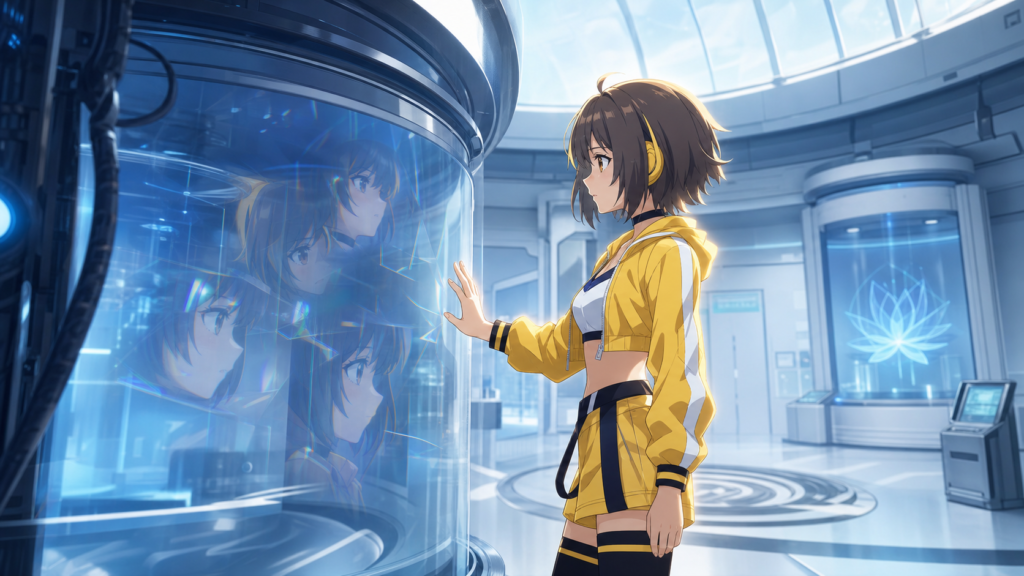
The series takes place in New Dawn, a near-future metropolis controlled by the powerful Horizon Corporation. Sixteen-year-old Kelly awakens without her memories and becomes entangled in an experiment called Project Bloom. As pieces of her past return, she discovers “Limit Break,” an unusual ability that can unlock things that have been sealed away.
That wording leaves room for several kinds of conflict. “Sealed away” could refer to physical barriers, restricted technology, suppressed memories, or hidden human potential. Meanwhile, Horizon Corporation gives the story a visible institution to investigate. The official synopsis confirms that Kelly will join new allies, uncover the conspiracy around Project Bloom, and confront forces threatening New Dawn’s future. Therefore, the anime seems to be using Free Fire’s action identity as the surface of a broader science-fiction mystery.
Kelly, Hayato and Moco Lead the New Dawn Mission
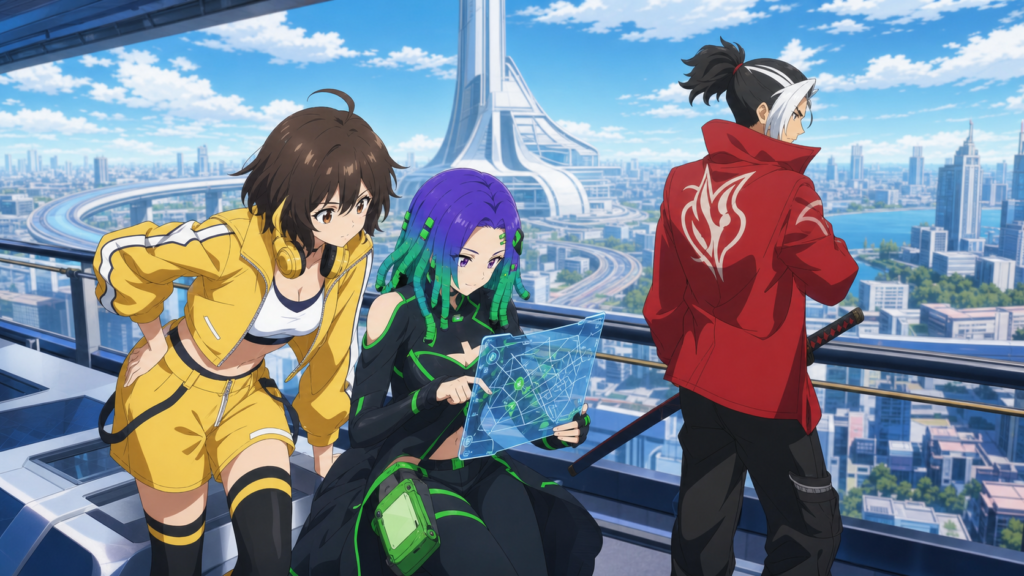
Kelly stands at the center of the Free Fire anime, but she will not face Horizon alone. The newly revealed key visual also features Hayato and Moco. Players already recognize all three names; nevertheless, the adaptation has an opportunity to give their relationships more time and emotional weight than a fast-moving multiplayer match can provide.
Kelly’s missing memories create an accessible starting point because viewers can learn about New Dawn alongside her. Hayato can bring discipline and combat experience to the group, while Moco’s technological expertise naturally fits a plot involving a powerful corporation and a secret experiment. Still, those expectations remain interpretation rather than confirmed character arcs. The official announcement has not yet revealed the voice cast or explained how closely the anime versions will follow their established game histories.
Trailer Teases Project Bloom and Limit Break
The first promotional trailer establishes the anime’s central tension instead of revealing every major turn. It introduces the atmosphere of New Dawn, places Kelly’s awakening at the heart of the story, and points toward the danger behind Project Bloom. The official visual reinforces that mystery through shattered-glass imagery, including a glimpse of Kelly after her special power awakens.
More importantly, the trailer suggests a structured battle-action series rather than a compilation of familiar gameplay moments. Fans should still expect combat, movement, and recognizable Free Fire elements. Even so, the memory-loss premise gives those sequences a narrative purpose: each encounter could push Kelly closer to the truth about herself and Horizon. Future trailers should clarify the villains, supporting cast, and whether the series will feature additional characters from the game.
Studio CANDYBOX and the Confirmed Creative Team
Studio CANDYBOX is producing the animation, with Ken Takahashi directing. Hotaru Asafuji is responsible for series composition and screenplay, while Kouji Fujimoto of Sus4 Inc. is composing the music. These are the principal staff credits confirmed in the announcement; additional production roles and the Japanese and international voice casts are still to come.
The creative team faces an interesting balance. The action must remain readable and energetic enough for Free Fire fans, yet the world also needs quieter moments for Kelly’s lost memories and developing friendships. Furthermore, New Dawn must feel like a functioning city rather than a generic cyberpunk backdrop. Strong environmental storytelling, consistent character animation, and a memorable musical identity could help the adaptation establish its own personality.
When and Where Will Free Fire Daybreak Stream?
Free Fire Daybreak is scheduled for Spring 2027. In the standard anime calendar, that usually means an April launch, although Garena and KADOKAWA have not confirmed a month or date. The companies say the anime will be broadcast and streamed worldwide, including Japan, but no specific broadcaster or global streaming service has been named.
Consequently, reports claiming a precise release date, episode count, or exclusive platform should be treated as unconfirmed unless they come from the anime’s official channels. Fans can currently follow the official website and social accounts for updates. OtakuZasshi will also update this guide when the cast, platform, episode count, and exact premiere schedule become official.
Why This Game-to-Anime Adaptation Could Break Through
Game adaptations often struggle when they assume recognition alone can replace storytelling. Free Fire Daybreak already has a more promising route: a protagonist with a personal mystery, a corporate conspiracy, a distinct power, and a small team moving through a controlled futuristic city. Those elements can introduce the franchise cleanly while still rewarding players who recognize its characters and world.
Moreover, Free Fire’s international reach gives the anime a truly global starting audience. The challenge will be converting that enormous awareness into weekly viewer investment. If the series gives Kelly meaningful choices, develops the bond between its leads, and makes Project Bloom more than a standard evil experiment, it could attract action-anime viewers well beyond the game’s existing community. Readers exploring other game adaptations can also visit OtakuZasshi’s Gaming coverage.
Free Fire Daybreak anime arrives in Spring 2027 with an ambitious setup: Kelly must recover her past, understand Limit Break, and expose Horizon Corporation’s Project Bloom before New Dawn’s future is lost. The official trailer and story reveal provide a strong first hook, while the worldwide release plan shows that Garena and KADOKAWA are thinking beyond a limited tie-in.
Several essential details—including the cast, episode count, exact date, and streaming platform—remain unknown. Still, the combination of battle action and a memory-driven conspiracy makes this one of the most notable new game-to-anime projects to watch. For confirmed updates, consult the official Garena announcement and the official anime website.




Gaming
The Apothecary Diaries Game: Release Date and Platforms
The Apothecary Diaries game launches March 18, 2027. Compare platforms, editions, English support and the Switch 2 upgrade and save-transfer rules.
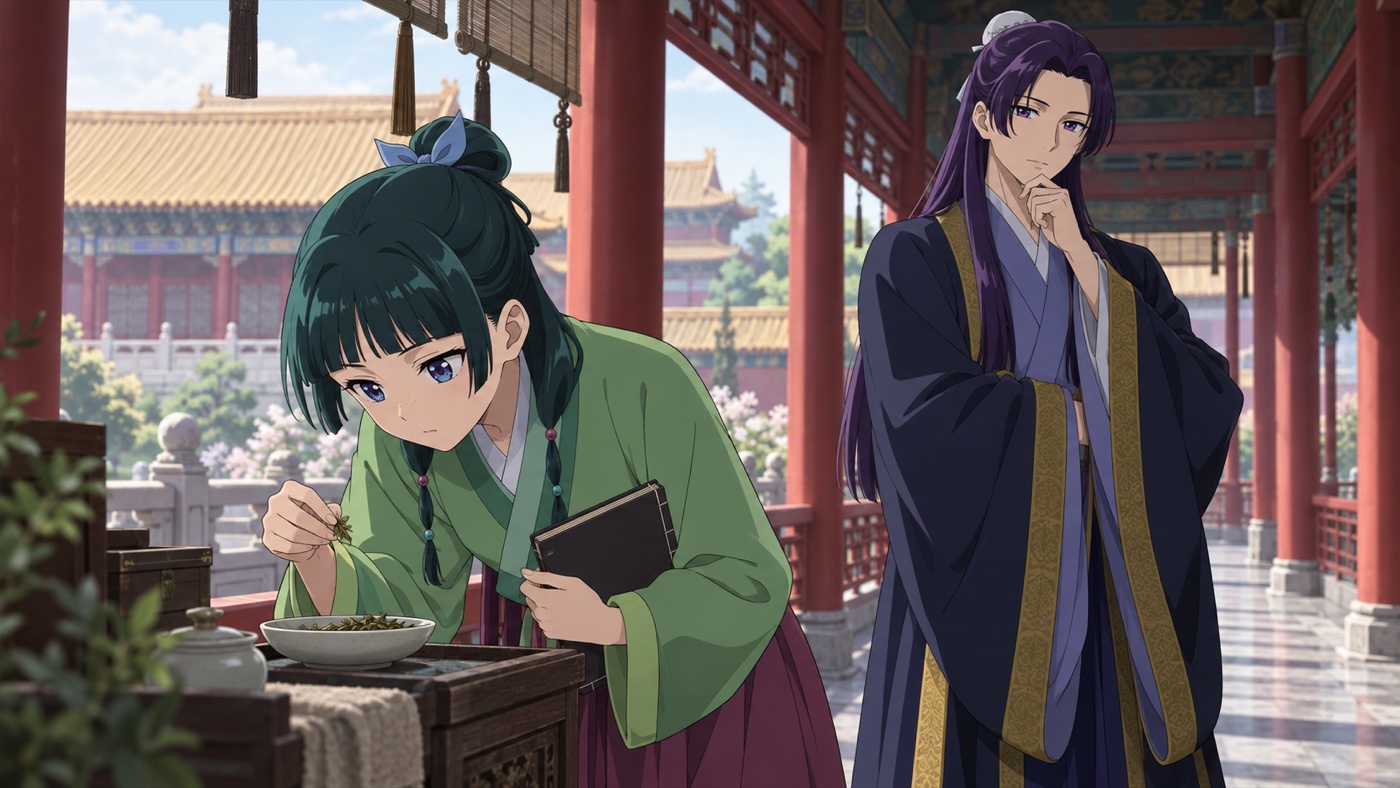
The Apothecary Diaries game, officially titled The Apothecary Diaries: The False Imperial Brother, will release on March 18, 2027, for Nintendo Switch 2, Nintendo Switch, PS5 and PC through Steam. Today’s announcement supplies a firm date for Maomao’s mystery adventure, alongside a new trailer and Japanese preorder information. For buyers, the biggest detail beyond the date is that Switch owners cannot upgrade their copy to the Switch 2 edition or transfer saves between those versions.
This guide covers the confirmed platforms, edition choices, language support and gameplay. It also explains which regional details still need checking before you buy. Information below reflects official publisher pages reviewed on October 21, 2026; it does not include hands-on performance testing.
The Apothecary Diaries Game Release Date
The official anime portal’s October 21 announcement confirms March 18, 2027, for the franchise’s first console game. Koei Tecmo’s English site now carries the same date. That replaces the earlier broad release window with a specific calendar date, although it does not establish an identical unlock hour across every country and storefront.
Today’s Japanese announcement also opens packaged-version reservations and lists PS5 and Steam digital preorders from October 22. Treat those as Japanese campaign details. A preorder opening in one region does not guarantee that every regional store has updated at the same moment. If your listing still says wishlist or coming soon, check it again through the publisher’s official links rather than assuming something is wrong with your account.
The announcement introduces new characters and confirms playable investigation segments involving Jinshi and a cat. These offer access to information the main heroine cannot obtain herself. That is a useful change to watch in the new trailer, but the announcement does not promise freely interchangeable characters throughout the entire game.
Confirmed Platforms and Physical Copies
The English publisher site lists four versions: Switch 2, Switch, PS5 and Steam. It lists physical releases for Switch 2 and PS5, while the original Switch and Steam versions are download-only in its North American product information. Japanese packaging differs, so check the regional listing if you plan to import.
| Platform | Format on the North American publisher page |
|---|---|
| Nintendo Switch 2 | Physical Game-Key Card and digital |
| Nintendo Switch | Digital only |
| PlayStation 5 | Physical and digital |
| PC through Steam | Digital only |
The Switch 2 package uses a Game-Key Card. Factor that into your preference for a boxed copy and consult the platform’s download requirements before ordering. The current platform list does not include Xbox, PS4 or mobile editions. An existing anime streaming app on a device tells you nothing about whether that device can run this separate game.
Switch and Switch 2 Have No Upgrade Path
The Japanese product page’s compatibility notice states that the two Nintendo versions are separate releases. Save data cannot move between them, and the publisher will not sell an upgrade path from Switch to Switch 2. Choose the version you expect to keep playing instead of assuming that a later hardware purchase will bring your progress across.
This matters most if you are considering a console change near launch. Before buying, decide which hardware you will use for the whole adventure, then confirm the exact platform name at checkout. Our Kingdom Hearts Switch 2 upgrade guide provides a useful comparison: upgrade and transfer terms belong to each individual game, so one title’s arrangement cannot establish another’s.
There is no confirmed performance comparison in the sources reviewed here. We therefore cannot recommend one Nintendo version on measured frame rate, resolution or loading time. If those differences determine your purchase, wait for explicit specifications or reliable testing rather than buying from assumptions about the newer hardware.
How Investigations and Medicine Crafting Work
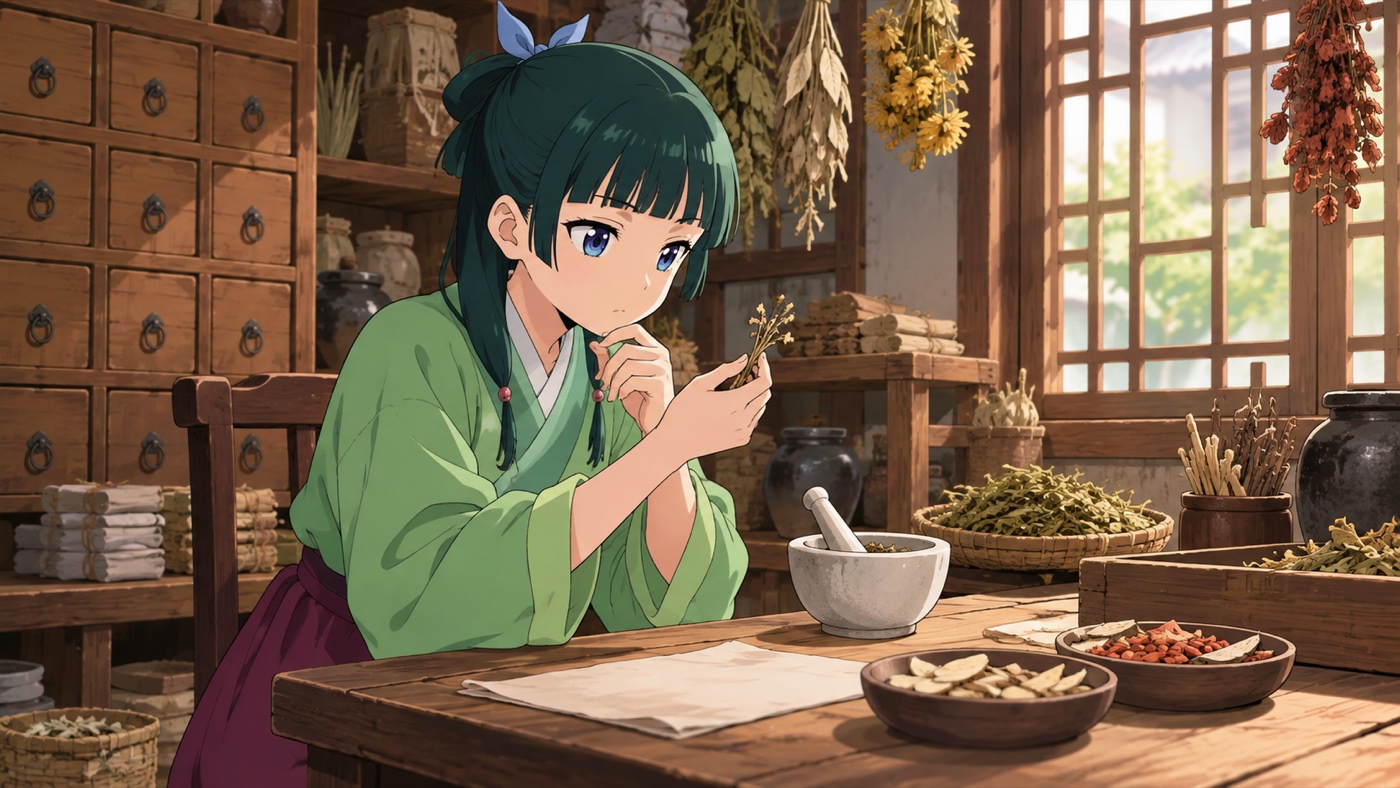
Koei Tecmo’s official gameplay explanation connects exploration, questioning, evidence gathering and medicine compounding. Maomao investigates locations, finds ingredients and makes remedies that can help people or contribute to a case. Her notebook organizes testimony and clues, turning observations into deductions instead of leaving them as background decoration.
The deduction phase asks you to choose responses, present evidence and connect information. Some confrontations involve reassuring another character within a time limit, while optional evidence can add context to a resolution. The publisher describes choices between a harsh truth and a more comforting response. This establishes a mystery-adventure structure, but it does not tell us the number of endings or how long a complete playthrough will take.
That design is an appealing fit for readers who enjoy Maomao’s close observation of ordinary details. The useful question is whether you like reading testimony and working through clues, rather than simply whether you recognize the characters. Our Steins;Gate Re:Boot platform and edition guide is another relevant stop for readers comparing Japanese story-focused games.
Editions, Bonuses and Japanese Prices
The Japanese product listing prices Standard at ¥8,580, Digital Deluxe at ¥10,010 and the separate Digital Deluxe Upgrade Pack at ¥1,430, all including tax. It also lists a ¥15,510 Premium Box and ¥25,960 Special Premium Box. These are Japanese retail prices, not converted estimates for the US, UK or India, and the Japanese collector packages do not establish international availability.
Digital Deluxe adds the Maomao and Jinshi formal costumes, Maomao fantasy costumes and feline accessories. The upgrade pack supplies the extras without the base game. The English site separately lists early-purchase items through March 31, 2027, subject to its download and purchase conditions, plus a digital preorder accessory pack. Check those eligibility terms on your local listing before choosing an edition for its bonuses.
Our practical recommendation is Standard for anyone whose priority is the story and investigations. Deluxe makes more sense when you actively want its cosmetic items. For a physical collector package, compare shipping, regional availability and the actual contents before ordering. The Castlevania Belmont’s Curse edition guide offers another example of how we separate main-game access from optional extras.
English Support and What PC Buyers Should Check
The Steam listing confirms English interface text and subtitles, with Japanese full audio. It also lists Simplified and Traditional Chinese text. English voice acting is not listed. That gives English-speaking PC players a clear answer about reading the game, while keeping the spoken-language distinction visible.
At the time of research, Steam still displayed a release date to be announced and left minimum and recommended system requirements as TBD. Koei Tecmo’s dated announcement and updated English site provide the March 18 date, but the older-looking store fields remain worth checking again before purchase. We cannot supply a confirmed processor, graphics card, storage requirement or Steam Deck compatibility verdict from that listing.
For now, wishlist the correct version, decide whether digital or physical ownership suits you, and check regional pricing when the store opens sales. Avoid treating early screenshots as performance evidence. That approach leaves room for the specifications and support details that matter to your own setup, without turning a release-date announcement into a premature buying deadline.
The Apothecary Diaries game now has a firm launch date and a clear focus on investigation, evidence and medicine crafting. The most useful decision to make early is your platform, especially because the two Nintendo editions do not share saves or offer an upgrade route. Keep your purchase tied to confirmed language support, regional package details and the extras you actually want, then revisit the remaining PC specifications closer to launch.
Gaming
Castlevania Belmont’s Curse: Editions and Launch Guide
Compare Castlevania Belmont’s Curse editions, demo save transfer, platforms and PC requirements, plus the launch issues to check before buying.
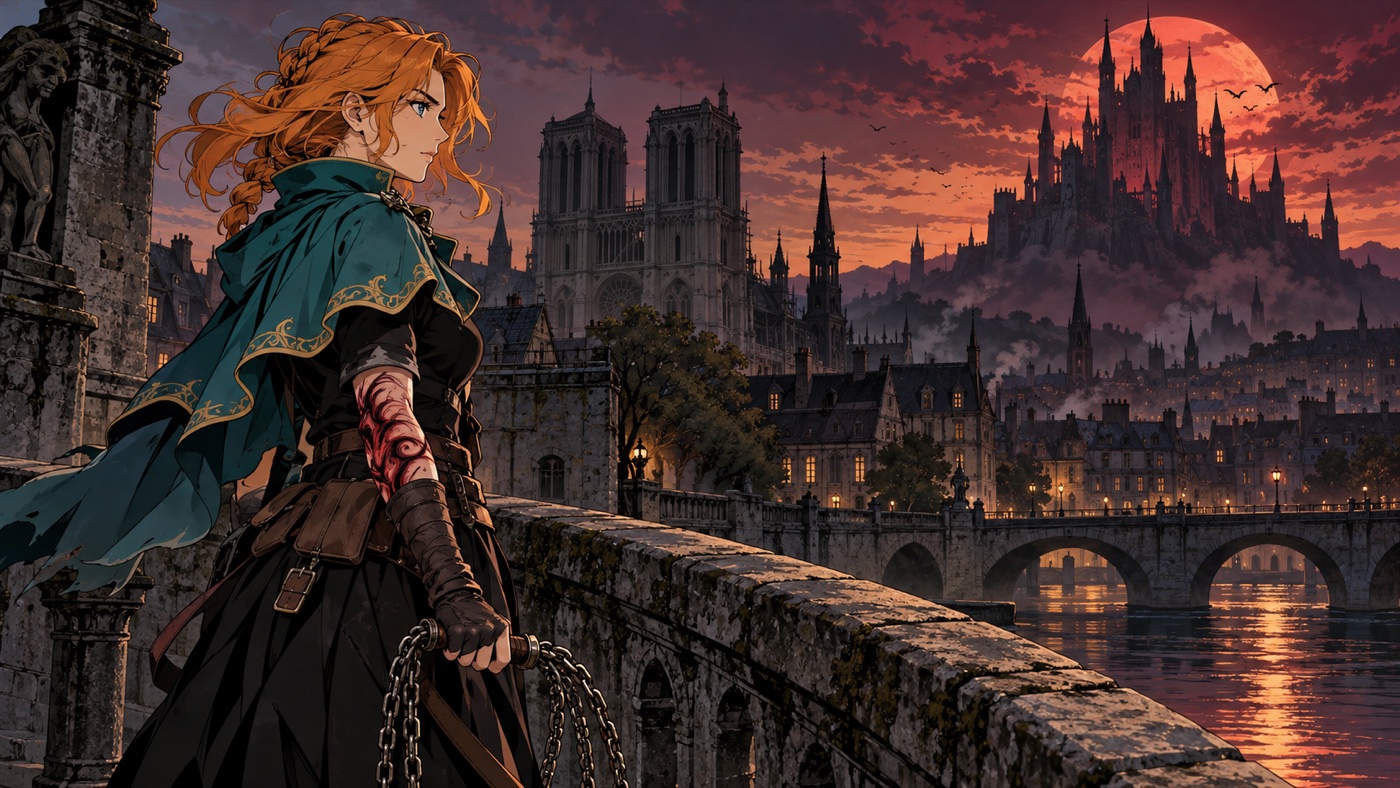
Castlevania Belmont’s Curse launches on October 15, 2026, for PS5, Nintendo Switch, Xbox Series X|S and PC. The practical choice is between the main game in Standard Edition and the soundtrack, art gallery and bonus items in Midnight Edition. A free demo also lets you try the opening chapter and carry your progress into the full game on the same platform and account.
For anyone returning to Castlevania after years away, the immediate questions are straightforward: which version should you buy, will your demo save survive, and what should PC players check before starting? This launch guide answers those questions from current publisher information. It also separates the advertised release date from regional store displays, so a date difference does not lead you to buy the wrong edition.
Information checked on October 15, 2026. This is a researched buying guide, not a hands-on review.
Castlevania Belmont’s Curse Release Date and Platforms
Konami’s official website lists October 15 as the release date, including the Nintendo Switch version. Older announcement coverage left the Switch date open, but the publisher subsequently confirmed it. Its current product links cover PS5, Switch, Xbox Series X|S, Xbox on PC and Steam. The Xbox store also identifies the game as an Xbox Play Anywhere title.
The Steam listing served during research displayed October 14, while Konami’s global date remains October 15. Check your local store’s availability rather than treating one storefront date as a universal unlock time. Neither a dated news headline nor a countdown captured earlier provides enough evidence to promise an exact release hour in India, the UK or the US.
Konami lists 60fps for the game and 30fps for the Nintendo Switch version. These are published specifications, not our performance measurements. The current product page identifies a Switch release; it does not list a separate native Switch 2 edition. Readers comparing explicitly branded upgrades can use our Kingdom Hearts Switch 2 upgrade and save-transfer guide.
Standard Edition Versus Midnight Edition
The official product breakdown makes the difference clear: Standard Edition provides the main game, while Midnight Edition adds the Digital Sound & Art Gallery, Trevor Style Costume, Sypha Style Costume and Family’s Grace relic. The gallery runs as a separate application. Therefore, do not buy Midnight Edition expecting an additional story campaign that the listing does not advertise.
| Content | Standard Edition | Midnight Edition |
|---|---|---|
| Main game | Included | Included |
| Digital Sound & Art Gallery | Not included | Included |
| Trevor and Sypha costumes | Not included | Included |
| Family’s Grace relic | Not included | Included |
The gallery includes more than 100 production artworks. The Steam page served in research listed €29.99 for Standard and €39.99 for Midnight, a €10 difference in that storefront. Those amounts are regional examples, not India or US prices. Compare the two editions in your own account’s currency before deciding whether the extras justify the premium.
Our buying recommendation is simple: choose Standard if your priority is playing the adventure. Choose Midnight if you specifically want the art, music and listed items. This is a preference-based recommendation, not a claim that the relic improves the game or that either edition offers tested value beyond its advertised contents.
Purchase Bonuses and Physical Edition Checks
Konami’s edition announcement identifies an Alucard Style Costume as a preorder or early-purchase bonus. This is separate from Midnight Edition’s regular contents. The current product page also notes that the physical version requires an additional online-store download for the costume. Check the purchase listing for eligibility rather than assuming every copy includes every bonus indefinitely.
The same announcement describes a SteelBook and a Rose Belmont tarot card at selected EMEA retailers, subject to availability and stock. These are retailer-dependent physical incentives, not universal inclusions. If either item matters to you, look for an explicit promise on the retailer’s page before paying. A promotional photograph alone may show items that a particular listing does not supply.
For a collector, confirmation of the package matters more than the edition name. Keep a copy of the retailer’s stated contents and verify that it matches your platform and region. Our Stranger Than Heaven edition comparison offers another example of how we distinguish main-game access from optional extras.
How Demo Save Transfer Works
The official demo page confirms an opening-chapter trial on PS5, Switch, Xbox Series X|S and Steam. Progress can transfer into the full game, but the demo and purchased version must use the same platform and account. Keep the demo save data, then update the full game to its latest version before transferring progress.
That means you should try the demo on the platform you actually plan to buy. Playing the trial on Steam and purchasing the Switch release is not a transfer route that Konami’s instructions support. Likewise, switching accounts can undermine the conditions even when the hardware stays the same. Avoid deleting the trial’s save until the full game confirms that your progress has carried over.
The demo also gives you a useful personal check of movement, controls and readability. Pay attention to whether the whip traversal feels comfortable and whether you can distinguish routes through the scenery. A trial cannot establish how the whole adventure develops, but it can answer those immediate questions before you commit to a purchase.
PC Requirements and Reported Launch Issues
The Steam product page lists the following PC requirements. Both tiers specify Windows 11, 16 GB of RAM, DirectX 11 and 10 GB of available storage. Use these as the publisher’s compatibility baseline rather than a guarantee of a particular frame rate on your machine.
| Component | Minimum | Recommended |
|---|---|---|
| Operating system | Windows 11, 64-bit | Windows 11, 64-bit |
| Processor | Intel Core i5-8400 | Intel Core i5-10400 |
| Memory | 16 GB RAM | 16 GB RAM |
| Graphics | Nvidia GeForce GTX 1650 | Nvidia GeForce RTX 3060 |
| DirectX | Version 11 | Version 11 |
| Storage | 10 GB available | 10 GB available |
Konami’s October 14 known-issues notice reports a possible launch failure on Steam and Xbox on PC when V-Sync is off and the frame-rate setting is Unlimited. Its workaround is to temporarily set the Windows monitor refresh rate below 60Hz, launch the game, enable V-Sync, close it and restore the original monitor refresh rate. Follow the linked notice if this specific issue affects you.
Konami also reports partially off-screen Steam Deck interface elements and a title-screen problem with certain system languages, mainly Arabic, after saving and returning to the title screen. The notice recommends a supported language such as English for the latter problem and says fixes are in development. Check for updates before troubleshooting; the notice does not mean every player will encounter these faults.
Rose Belmont and the New Adventure
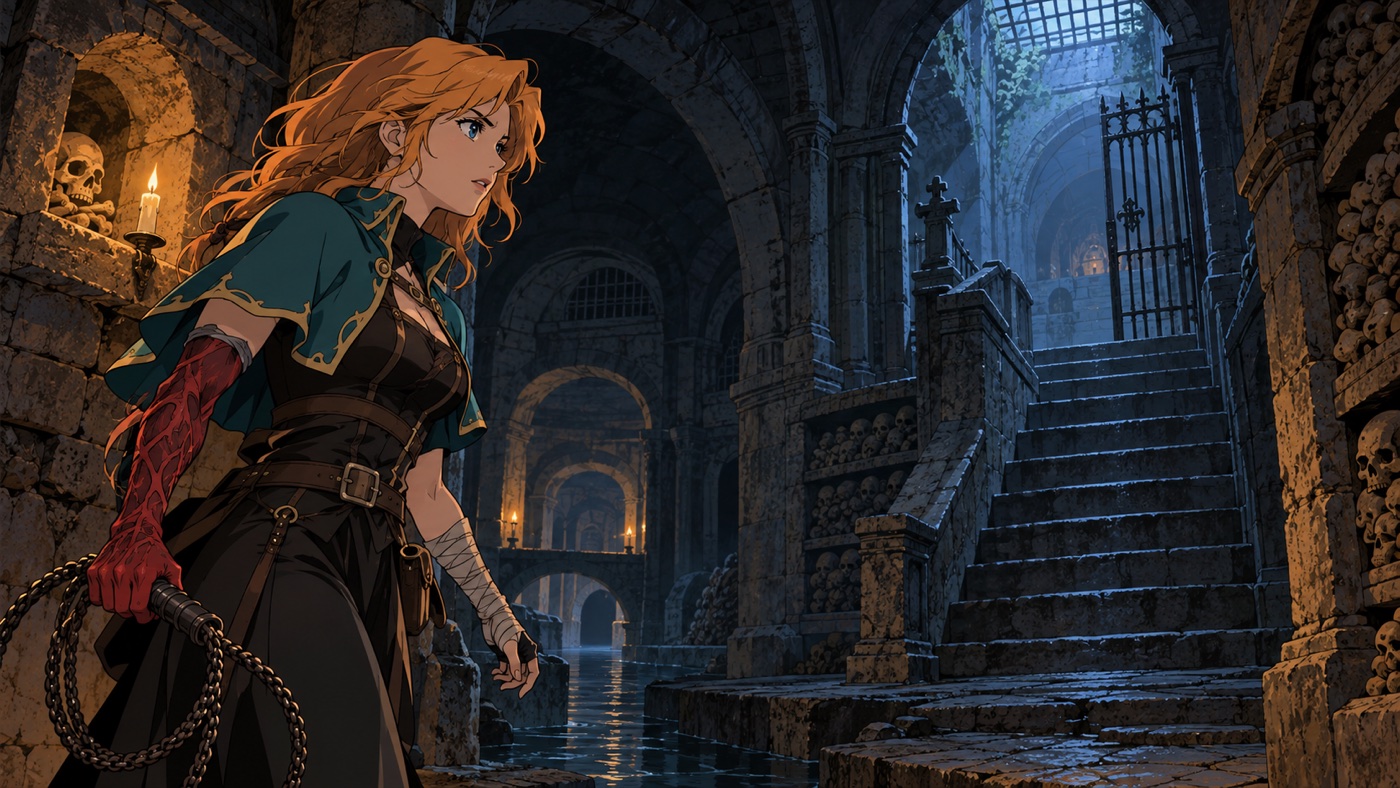
The story takes place in Paris in 1499, twenty-three years after Castlevania III: Dracula’s Curse. Konami introduces Rose as Trevor Belmont’s daughter, a young hunter carrying Dracula’s curse in her right arm. The official character page establishes her identity and her use of multiple weapons alongside the whip. That gives newcomers enough context to understand the lead without reading a plot summary full of spoilers.
The publisher describes whip-based movement and combat, equipment choices, and an Arcana system that turns defeated bosses into tarot-card abilities. For a prospective buyer, the useful question is whether those mechanics suit how you enjoy exploration games. Try navigating the demo deliberately, revisit routes that first seemed inaccessible, and judge the controls for yourself rather than treating a familiar franchise name as a substitute for fit.
If you want another current Konami release guide, our Silent Hill Townfall platform and edition breakdown provides a relevant next read. Readers building a wider Japanese-game shortlist can also compare the Steins;Gate Re:Boot release and platform guide.
For most players, the safest way into Castlevania Belmont’s Curse is to try the demo on the intended platform, preserve its save and choose the edition for the extras you actually want. Confirm regional prices and physical bonuses before checkout, and consult the current issue notice if the PC version fails to start. That approach keeps the purchase focused on your needs while leaving the discovery of Rose’s adventure to the game itself.
Gaming
Kingdom Hearts Switch 2 Upgrade, Price and Save Transfer
The Kingdom Hearts Switch 2 upgrade brings native versions, save transfer and a 50% cloud-owner discount. Compare prices and included games.
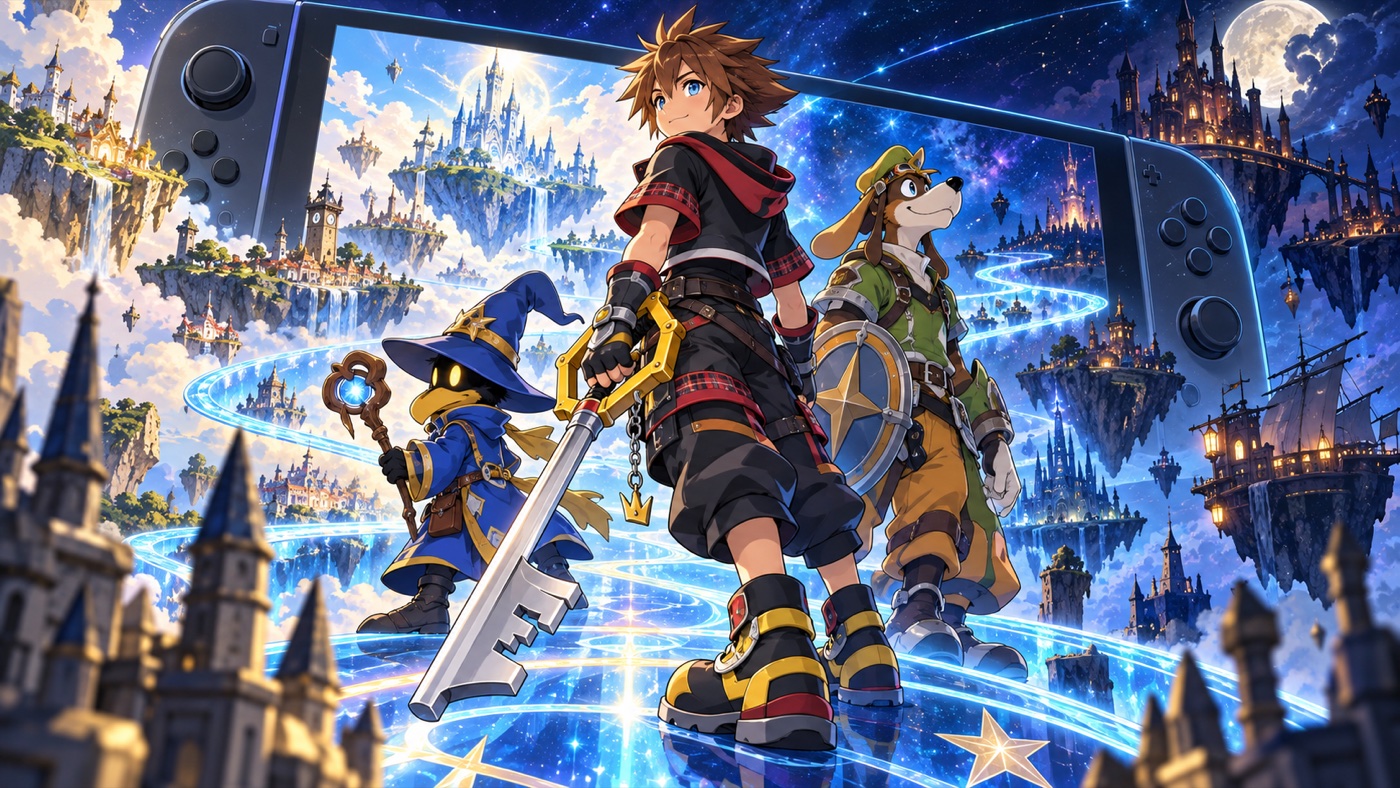
The Kingdom Hearts Switch 2 upgrade is available now as three native collections or one $74.99 bundle, with save transfer and a 50% discount for eligible cloud-version owners. Square Enix released the new editions on October 8, 2026, replacing the old streaming requirement with games that run directly on Nintendo’s newer hardware.
The full Kingdom Hearts Collection [I–III] includes HD 1.5+2.5 ReMIX, HD 2.8 Final Chapter Prologue, and Kingdom Hearts III + Re Mind. Each package also costs $39.99 separately in the US Nintendo eShop. Therefore, the bundle saves $44.98 compared with buying all three one by one at regular price. This guide explains who qualifies for the discount, how save transfer works, what the collection includes, and which purchase makes sense.
Kingdom Hearts Switch 2 Upgrade at a Glance
Nintendo describes the new Switch 2 releases as native versions rather than cloud games. That distinction matters because the older Kingdom Hearts releases on the original Switch streamed gameplay over the internet. The new editions install and run on the console itself, although online services may still be needed for downloads, updates, cloud saves, and eShop purchases.
| Option | US regular price | Platform | Main contents |
|---|---|---|---|
| Collection [I–III] | $74.99 | Switch 2 | All three collections |
| HD 1.5+2.5 ReMIX | $39.99 | Switch 2 and original Switch | Six early-series experiences |
| HD 2.8 Final Chapter Prologue | $39.99 | Switch 2 | Three pre-KHIII experiences |
| Kingdom Hearts III + Re Mind | $39.99 | Switch 2 | Kingdom Hearts III and Re Mind DLC |
The $74.99 bundle is the clear value choice for a newcomer who wants the full sequence. Buying the three Switch 2 packages separately totals $119.97. However, a returning player who only wants Kingdom Hearts III or needs one missing collection may spend less by buying a single $39.99 release.
Readers planning for the series’ future can pair this guide with OtakuZasshi’s Kingdom Hearts 4 release date and platform guide, which separates confirmed details from expectations.
Who Gets the 50 Percent Cloud Owner Discount
Nintendo’s US store says players who own every Kingdom Hearts cloud title individually, or Kingdom Hearts Integrum Masterpiece for Cloud, qualify for 50% off the native Switch 2 games and the complete Collection [I–III]. Individual cloud-title owners may also see a discount on the corresponding native package. Eligibility depends on the Nintendo Account and regional store connected to the original purchase.
Use the same Nintendo Account that bought the cloud edition, then open the product page in the Nintendo eShop. The reduced price should appear before checkout when the account qualifies. Do not rely on a screenshot from another region because currencies, taxes, and offer details can differ. Also confirm the discount before paying, since Nintendo warns that the same content appears in several bundles.
A 50% discount would reduce the US $74.99 collection to about $37.50 before tax, if the full-bundle offer applies to the account. Treat that number as a calculation from the listed price, not a universal regional quote. The eShop checkout price remains the authority.
How Kingdom Hearts Save Transfer Works
Nintendo confirms that owners of the Switch cloud versions can move existing save data into the native Switch 2 releases. The transfer is designed to preserve progress for players replacing streamed editions with local versions. Before starting, update the console, verify that the correct Nintendo Account is active, and make sure the relevant cloud save is synchronized.
The transfer direction requires attention. Nintendo’s European product information for HD 1.5+2.5 ReMIX says save data can move from the Switch version to the Switch 2 version, but not back from Switch 2 to Switch. Therefore, keep the original save intact until the native version opens correctly. Do not assume that progress created later on Switch 2 will remain compatible with the older release.
Nintendo has not presented a single universal transfer button in its news post. Follow the instructions shown by the relevant game and eShop region, and transfer each collection separately if prompted. If a save does not appear, confirm that the purchased game, save data, and account all belong to the same region before starting a new file.
Every Game and Movie Included
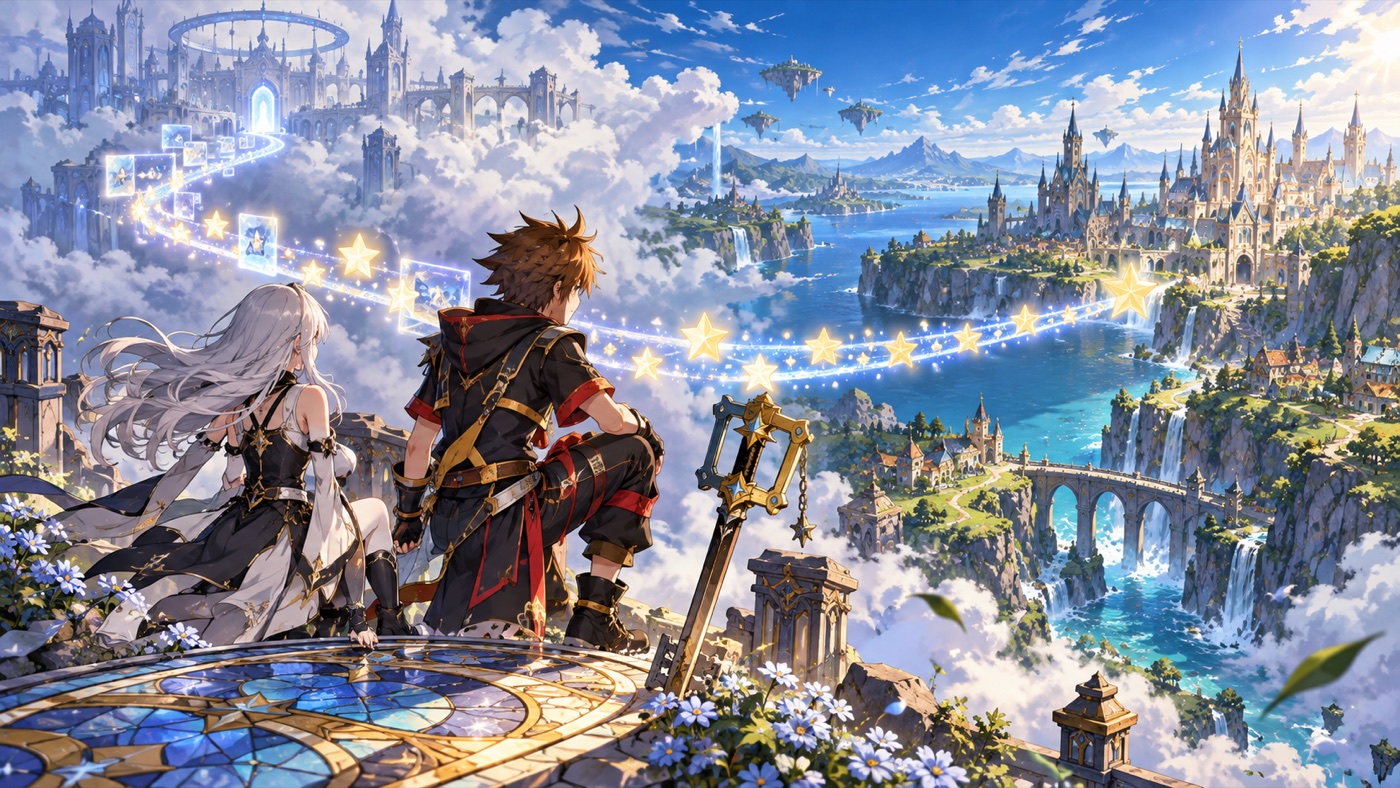
The complete bundle spans ten playable games, shorter experiences, and movie compilations across three products. HD 1.5+2.5 ReMIX covers the opening era with Kingdom Hearts Final Mix, Re:Chain of Memories, Kingdom Hearts II Final Mix, Birth by Sleep Final Mix, and HD cinematic versions of 358/2 Days and Re:coded.
HD 2.8 Final Chapter Prologue includes Dream Drop Distance HD, the χ Back Cover movie, and the shorter 0.2 Birth by Sleep: A Fragmentary Passage. Kingdom Hearts III + Re Mind then provides the third numbered game and its major story DLC. The bundle organizes the main path, but newcomers should remember that two entries in 1.5+2.5 are cutscene compilations rather than fully playable remasters.
| Collection | Included experiences |
|---|---|
| HD 1.5+2.5 ReMIX | Final Mix, Re:Chain of Memories, II Final Mix, 358/2 Days movie, Birth by Sleep Final Mix, Re:coded movie |
| HD 2.8 | Dream Drop Distance HD, χ Back Cover movie, 0.2 Birth by Sleep |
| Kingdom Hearts III + Re Mind | Kingdom Hearts III and Re Mind DLC |
That structure makes the full collection useful for story continuity. Still, someone who already finished the early games elsewhere can buy 2.8 or Kingdom Hearts III separately without repurchasing the entire package.
Free Demo and Long Night Keyblade Bonus
Nintendo has released a free Kingdom Hearts III + Re Mind demo on Switch 2. The Japanese launch notice says the demo contains sections set in Olympus and Toy Box. Progress from the Olympus portion can transfer to the full version, giving uncertain buyers a practical way to test native performance before purchasing.
Buying either the full Collection [I–III] or Kingdom Hearts III + Re Mind grants the platform-exclusive Long Night Keyblade for use in Kingdom Hearts III. It is a purchase bonus, not an extra story chapter. Players buying only 1.5+2.5 or 2.8 should not expect the weapon unless their regional store listing explicitly includes it.
The demo is also the safer performance check for anyone sensitive to frame pacing, handheld text size, or battery use. Marketing language cannot replace testing on the exact console and display a player will use.
Which Kingdom Hearts Collection Should You Buy
New players should choose Collection [I–III] because its $74.99 price is far below the $119.97 separate total. Returning cloud owners should first check for the 50% account discount. At that reduced price, the complete native bundle can cost less than one full-price standalone collection.
Choose HD 1.5+2.5 alone if you want the earliest stories or use the original Switch, which also received a native version of that specific collection. Choose HD 2.8 if Dream Drop Distance, χ Back Cover, and 0.2 are the only missing pieces. Choose Kingdom Hearts III + Re Mind if you mainly want the latest completed chapter, its DLC, the free demo path, and the Long Night Keyblade.
This is a digital purchase decision, so check storage space before checkout. Nintendo currently lists HD 2.8 at an estimated 26.9 GB in Canada, while sizes can change through updates and regional packaging. Leave extra room rather than planning around the exact minimum.
Common Questions About the Native Versions
Are the Switch 2 releases still cloud games?
No. Nintendo calls them native versions, meaning the games run on the console instead of streaming the main gameplay from a remote server.
Can I transfer my cloud-version saves?
Yes. Nintendo confirms save transfer from the earlier Switch cloud editions to the native Switch 2 releases. Use the same Nintendo Account and keep the original data until the transfer is verified.
Can Switch 2 save data move back to Switch?
For HD 1.5+2.5 ReMIX, Nintendo’s European listing says the transfer does not work in reverse. Treat the process as one-way unless the product page for another collection says otherwise.
Is the complete bundle cheaper than separate purchases?
Yes. The $74.99 US bundle costs $44.98 less than three separate $39.99 purchases before tax or account discounts.
Does the free demo progress transfer?
Nintendo Japan says progress from the demo’s Olympus section can transfer to the full game. The announcement does not promise the same for the Toy Box section.
Read Next
For another recently released platform guide, see the Silent Hill Townfall release time, editions, and PC requirements. Readers comparing upcoming Japanese releases can also use the Steins;Gate Re:Boot platform and edition guide.
Sources
- Nintendo US launch guide and prices
- Nintendo US Collection I–III product page
- Nintendo Japan launch announcement
- Nintendo European HD 1.5+2.5 product information
The Kingdom Hearts Switch 2 upgrade finally gives the series native portable versions, a meaningful route away from cloud streaming, and a strong bundle price. Check the same-account discount before buying, transfer saves carefully, and use the free Kingdom Hearts III demo if performance matters. For most newcomers, Collection [I–III] offers the clearest path through the saga without purchasing overlapping packages.
-
 Gaming2 years ago
Demon Slayer Game Set for Digital Release on Multiple Platforms in 2024
-
 Latest News3 years ago
Release Date Revealed for ‘Rascal Does Not Dream of a Knapsack Kid’
-
 Latest News4 years ago
Love is in Sight! Anime ‘Girl Forgot Glasses’ Unveils Promo & Cast
-
 Gaming3 years ago
Tekken 8 Closed Network Test in July: Register Now
-
 Latest News2 years ago
Kengan Ashura 2nd Season Part 2: Promo, Theme, and Debut Date
-
 Latest News2 years ago
Predicting the Epic: Demon Slayer’s Infinity Castle Arc Movie
-

 Latest News2 years ago
First Glimpse: Live-Action Blue Period Film Trailer Unveiled
-

 Latest News3 years ago
New Baki Manga by Keisuke Itagaki Launching August 2023