Gaming
New Video Games in 2023: The Ultimate Release Calendar for Gamers
Exploring 2023’s Gaming Landscape: Monthly Key Video Game Releases


As we usher in 2023, the world of gaming prepares for yet another year of thrilling adventures and immersive experiences. This year promises an exciting lineup of game releases, ready to transform our virtual landscapes. From epic sequels to brand new franchises, 2023 is set to be a groundbreaking year for gamers around the globe. Here’s a sneak peek into the most anticipated game releases of 2023, organized month-by-month.
January
- Vengeful Guardian: Moonrider (PS4, PS5, Switch, PC) – January 12
- Dragon Ball Z Kakarot (PS5, Xbox Series X/S) – January 13
- One Piece Odyssey (PC, PS4, PS5, Xbox One, XSX/S) – January 13
- Persona 4 Golden (PC, PS4, PS5, Switch, Xbox One, XSX/S) – January 19
- Persona 3 Portable (PC, PS4, PS5, Switch, Xbox One, XSX/S) – January 19
- Fire Emblem Engage (Switch) – January 20
- Monster Hunter Rise (PS4, PS5, Xbox One, Xbox Series X/S) – January 20
- Forspoken (PC, PS5) – January 24
- World War Z (PS5, Xbox Series X/S) – January 24
- Dead Space Remake (PC, PS5, Xbox Series X/S) – January 27
- Age of Empires 2: Definitive Edition (Xbox One and XSX/S) – January 31
February
- Football Manager 2023 (PS5) – February 1
- Fashion Police Squad (PC, PS4, PS5, Switch, Xbox One, XSX/S) – February 2
- Tails: The Backbone Preludes (PC) – February 2
- Deliver Us Mars (PC, PS4/PS5, Xbox One, XSX/S) – February 2
- Life is Strange 2 (Switch) – February 2
- Perish (PC) – February 2
- The Pathless (XSX/S, Switch) – February 2
- Overwatch 2- Season 3 (Consoles and PC) – February 7
- Metroid Prime Remastered (Switch) – February 8
- Hogwarts Legacy (PC, PS5, XSX/S) – February 10
- Blanc (Switch, PC) – February 14
- Tomb Raider Reloaded (Mobile) – February 14
- Wanted: Dead (PC, PS4/5, Xbox One, XSX/S) – February 14
- Zero Wing (PC) – February 14
- Returnal (PC) – February 15
- Shadow Warrior 3: Definitive Edition (PC, PS5, XSX/S) – February 16
- Threatrhythm: Final Bar Line (Switch, PS4) – February 16
- Wild Hearts (PC, PS5, XSX/S) – February 16
- Elderand (PC, Switch) – February 16
- Tales of Symphonia Remastered (PS4, Switch, Xbox One) – February 17
- Ultimate Sackboy (Mobile) – February 21
- Atomic Heart (PC, PS4/5, Xbox One, XSX/S) – February 21
- Like a Dragon: Ishin! (PC, PS4/5, Xbox One, XSX/S) – February 21
- Moss: Book 2 (PSVR2) – February 22
- Digimon World: Next Order (PC, Switch) – February 22
- Cities: VR – Enhanced Edition (PS5 VR) – February 22
- Zenith: The Last City (Quest, PC, PSVR) – February 22
- The Light Brigade (PSVR2) – February 22
- Cosmonious High (PSVR2) – February 22
- The Tale of Onogoro (PS5) – February 22
- After the Fall (PSVR2) – February 22
- Horizon Call of the Mountain (PSVR 2) – February 22
- Star Wars: Tales from the Galaxy’s Edge – Enhanced Edition (PSVR2) – February 22
- Altair Breaker (PSVR2) – February 22
- Kizuna AI: Touch the Beat! (PSVR2) – February 22
- Vacation Simulator (PSVR2) – February 22
- Job Simulator (PSVR2) – February 22
- Fantavision 202X (PSVR2) – February 22
- Demeo (PSVR2) – February 22
- Grim Guardians: Demon Purge (PC, PS4/5, Switch, Xbox One, XSX/S) – February 23
- Blood Bowl 3 (PC, PS4/5, Switch, Xbox One, XSX/S) – February 23
- Company of Heroes 3 (PC)
March
- Dead Cells: Return to Castlevania (PC, PS4/5, Switch, Xbox One) – March 6
- Halo Infinite Season 3 (PC, Xbox) – March 7
- Melon Journey: Bittersweet Memories (PC, PS4/5, Switch, Xbox One, XSX/S) – March 7
- KartRider: Drift (PS, Xbox) – March 8
- Ib (Switch) – March 9
- ONI: Road to be the Mightiest Oni (PC, PS4/5, Switch) – March 9
- Fatal Frame: Mask of the Lunar Eclipse (PC, PS4/5, Switch, Xbox One, XSX/S) – March 9
- Peaky Blinders: The King’s Ransom (PC) – March 9
- DC’s Justice League: Cosmic Chaos (PC, PS4/5, Switch, Xbox One, XSX/S) – March 10
- Bleak Faith: Forsaken (PC) – March 10
- Valheim (Xbox One, XSX/S) – March 14
- The Legend of Heroes: Trails to Azure (PC) – March 14
- The Dark Pictures: Switchback VR (PSVR2) – March 16
- Anno 1800 (PS5, XSX/S) – March 16
- Bayonetta Origins: Cereza and the Lost Demon (Switch) – March 17
- WWE 2K23 (PC, PS4/5, Xbox One, XSX/S) – March 17
- Remnant: From the Ashes (Switch) – March 21
- Tchia (PC, PS4, PS5) – March 21
- Mighty Doom (Mobile) – March 21
- Have a Nice Death (Switch) – March 22
- Storyteller (Switch, PC) – March 23
- Atelier Ryza 3: Alchemist of the End & the Secret Key (PS5/4, PC, Switch) – March 24
- Resident Evil 4 Remake (PC, PS4/5, XSX/S) – March 24
- EA Sports PGA Tour (PC, PS5, XSX/S) – March 24
- Terra Nil (Mobile, PC) – March 28
- MLB The Show 23 (PC, PS4, PS5, Switch, XSX/S) – March 28
- Crime Boss: Rockay City (PC) – March 28
- Dredge (PC, PS4, PS5, Xbox One, XSX/S, Switch) – March 29
- Cosmonious High (VR) – March 31
April
- Meet Your Maker (PS4, PS5, Xbox One, Xbox Series X/S, PC) – April 4
- Hogwarts Legacy (PS4, Xbox One) – April 4
- GrimGrimoire OnceMore (PS4, PS5, Switch) – April 4
- Road 96: Mile 0 (PS4, PS5, Xbox One, Xbox Series X/S, Switch, PC) – April 4
- Creed: Rise To Glory (PSVR2) – April 4
- Moviehouse – The Film Studio Tycoon (PC) – April 5
- Kabaret (PC) – April 5
- Curse of the Sea Rats (PS4, PS5, Xbox One, Xbox Series X/S, Switch, PC) – April 6
- Pupperazzi (Switch) – April 6
- Everspace 2 (PC) – April 6
- EA Sports PGA Tour (PS5, Xbox Series X/S, PC) – April 7
- Process of Elimination (PS4, Switch) – April 11
- Tron: Identity (Switch, PC) – April 11
- Ghostwire: Tokyo (Xbox Series X/S) – April 12
- Mega Man Battle Network Legacy Collection (PS4, Switch, PC) – April 14
- Disney Speedstorm Early Access (PC, PS4/5, Switch, Xbox One, XSX/S) – April 18
- Minecraft Legends (PC, PS4/5, Switch, Xbox One, XSX/S) – April 18
- Horizon Forbidden West: Burning Shores (PS5) – April 19
- Final Fantasy Pixel Remasters (Switch, PS4) – April 19
- Coffee Talk Episode 2: Hibiscus & Butterfly (PC, PS4/5, Xbox, Switch) – April 20
- Tin Hearts (PC, PS4/5, Switch, Xbox One, XSX/S) – April 20
- Ad Infinitum (PC, PS4/5, Xbox One, XSX/S) – April 20
- DNF Duel (Switch) – April 20
- Advance Wars 1+2: Re-Boot Camp (Switch) – April 21
- Dead Island 2 (PC, PS4, PS5, Xbox One, XSX/S) – April 21
- Afterimage (PC, PS4, PS5, Switch, Xbox One, XSX/S) – April 25
- Omega Strikers (Switch, PC, iOS, and Android) – April 27
- The Last Case of Benedict Fox (PC, Xbox One, XSX/S) – April 27
- Bramble: The Mountain King (PC, PS4, PS5, Xbox One, XSX/S, Switch) – April 27
- Star Wars Jedi: Survivor (PC, PS5, XSX/S) – April 28
May
- Age of Wonders 4 (PS5, Xbox Series X/S, PC) – May 2
- Redfall (Xbox Series X/S, PC) – May 2
- Ravenlok (Xbox One, Xbox Series X/S, PC) – May 4
- The Dark Pictures Anthology: Man of Medan (Switch) – May 4
- Darkest Dungeon II (PC) – May 8
- Weird West (PS5, Xbox Series X/S) – May 8
- Dokapon Kingdom: Connect (Switch) – May 9
- Fuga: Melodies of Steel 2 (PS4, PS5, Xbox One, Xbox Series X/S, Switch, PC) – May 11
- Marvel’s Midnight Suns (PS4, Xbox One) – May 11
- The Legend of Zelda: Tears of the Kingdom (Switch) – May 12
- Ys IX: Monstrum Nox (Europe) (PS5) – May 12
- Trinity Trigger (PS4, PS5, Switch) – May 16
- Humanity (PS4, PS5, PSVR2, PC) – May 16
- The Outlast Trials (PC) – May 18
- Monster Menu: The Scavenger’s Cookbook (PS4, PS5, Switch) – May 23
- After Us (PS5, Xbox Series X/S, PC) – May 23
- Farming Simulator 23 (Switch) – May 23
- Ghostpia Season One (Switch) – May 23
- Planet of Lana (Xbox One, Xbox Series X/S, PC) – May 23
- The Lord of the Rings: Gollum (PS4, PS5, Xbox One, Xbox Series X/S, PC) – May 25
- Hello Neighbor: Search and Rescue (PSVR2) – May 25
- System Shock (PC) – May 30
- To Hell with the Ugly (PC) – May 30
- Company of Heroes 3 (PS5, Xbox Series X/S) – May 30
June
- Etrian Odyssey Origins Collection (Switch, PC) – June 1
- Harmony: The Fall of Reverie (PC, PS5, XSX/S, Switch) – June 1
- RACE: Rocket Arena Car Extreme (PC) – June 1
- Skatebird (PS4, PS5) – June 1
- Street Fighter 6 (PC, PS4/5, Xbox One, XSX/S) – June 2
- We Love Katamari REROLL+ Royal Reverie (PC, PS4/5, Switch, XSX/S) – June 2
- The Elder Scrolls Online: Necrom (PC) – June 5
- Diablo 4 (PC, PS4/5, Xbox One, XSX/S) – June 6
- Amnesia: The Bunker (PC, PS4, Xbox One, XSX/S) – June 6
- Overwatch 2 Season 5 (Consoles, PC) – June 13
- Layers of Fears (PC, PS5, XSX/S) – June 15
- Goodbye Volcano High (PC, PS4/5) – June 15
- The Elder Scrolls Online: Necrom (Xbox, PS) – June 20
- Aliens: Dark Descent (PC, PS4/5, Xbox One, XSX/S) – June 20
- Crash Team Rumble (PC, PS4/5, Xbox One, XSX/S) – June 20
- Final Fantasy 16 (PC, PS5) – June 22
- Six Days in Fallujah Early Access (PC) – June 22
- Story of Seasons: A Wonderful Life (PC, PS4/5, Switch, XSX/S) – June 27
- Paranormal Hunter (PC) – June 29
- AEW Fight Forever (PC, PS4, PS5, Switch, Xbox One, XSX/S) – June 29
- Ghost Trick: Phantom Detective (PC, PS4, Switch, Xbox One) – June 30
- Ragnarok Begins (PC) – June 30
- Everybody 1-2 Switch (Switch) – June 30
- Master Detective Archives: RAIN CODE (Switch) – June 30
July
- Synapse (PSVR2) – July 4
- The Legend of Heroes: Trails into Reverie (PS4, PS5, Switch, PC) – July 7
- Oxenfree II: Lost Signals (PS4, PS5, Switch, PC) – July 12
- Atelier Marie Remake: The Alchemist of Salburg (PS4, PS5, Switch, PC) – July 13
- Manic Mechanics (Switch) – July 13
- Exoprimal (PS4, PS5, Xbox One, Xbox Series X/S, PC) – July 14
- LISA: Definitive Edition (PS4, PS5, Xbox One, Xbox Series X/S, Switch, PC) – July 18
- Pikmin 4 (Switch) – July 21
- Remnant II (PS5, Xbox Series X/S, PC) – July 25
- Ratchet & Clank: Rift Apart (PC) – July 26
- The Expanse: A Telltale Series Episode 1 (PS4, PS5, Xbox One, Xbox Series X/S, PC) – July 27
- Disney Illusion Island (Switch) – July 28
August
- Baldur’s Gate 3 (PC) – August 3
- Gord (PS5, Xbox Series X/S, PC) – August 8
- Atlas Fallen (PS5, Xbox Series X/S, PC) – August 10
- Moving Out 2 (PS4, PS5, Xbox One, Xbox Series X/S, Switch, PC) – August 15
- Vampire Survivors (Switch) – August 17
- The Texas Chainsaw Massacre (PS4, PS5, Xbox One, Xbox Series X/S, PC) – August 18
- Bomb Rush Cyberfunk (Switch, PC) – August 18
- Immortals of Aveum (PS5, Xbox Series X/S, PC) – August 22
- Fort Solis (PS5, PC) – August 22
- Blasphemous 2 (PS5, Xbox Series X/S, Switch, PC) – August 24
- Armored Core VI: Fires of Rubicon (PS4, PS5, Xbox One, Xbox Series X/S, PC) – August 25
- Sea of Stars (PS4, PS5, Xbox One, Xbox Series X/S, Switch, PC) – August 29
- Goodbye Volcano High (PS4, PS5, PC) – August 29
- Under the Waves (PS4, PS5, Xbox One, Xbox Series X/S, Switch, PC) – August 29
September
- Rune Factory 3 Special (Switch) – September 5
- Baldur’s Gate 3 (PS5) – September 6
- Starfield (PC, XSX/S) – September 6
- Fae Farm (PC, Switch) – September 8
- Party Animals (Xbox One, Xbox Series X/S, PC) – September 9
- Life by You (PC Early Access) – September 12
- Super Bomberman R 2 (PC, PS4/PS5, Switch, Xbox One, XSX/S) – September 12
- The Crew Motorfest (PC, PS4/5, XSX/S) – September 14
- Baten Kaitos I & II HD Remaster (Switch) – September 14
- Gloomhaven (Switch, PS4/5, Xbox One, XSX/S) – September 18
- Mortal Kombat 1 (PC, PS5, XSX/S, Switch) – September 19
- Lies of P (PC, PS4/5, Xbox One, XSX/S) – September 19
- Witchfire Early Access (PC) – September 20
- Payday 3 (PC, PS5, XSX/S) – September 21
- Eternights (PC, PS4/5) – September 21
- Cyberpunk: Phantom Liberty (PC, PS5, XSX/S) – September 26
- Mineko’s Night Market (PC, Switch) – September 26
- Harvest Moon: The Winds of Anthos (PC, PS4, PS5, Switch, Xbox One, XSX/S) – September 26
October
- Disgaea 7: Vows of the Virtueless (PS4, PS5, Switch, PC) – October 3
- The Lamplighters League (Xbox Series X|S, PC) – October 3
- Silent Hope (Switch) – October 3
- Cricket 24 (PS4, PS5, Xbox One, Xbox Series X|S, Switch) – October 5
- Sword Art Online: Last Recollection (PS4, PS5, Xbox One, Xbox Series X|S, PC) – October 6
- Detective Pikachu Returns (Switch) – October 6
- Forza Motorsport (Xbox Series X|S, PC) – October 10
- Assassin’s Creed Mirage (PS4, PS5, Xbox One, Xbox Series X|S, PC) – October 12
- Lords of the Fallen (PS5, Xbox Series X|S, PC) – October 13
- Alan Wake 2 (PS5, Xbox Series X|S, PC) – October 17
- Endless Dungeon (PS4, PS5, Xbox Series X|S, Switch, PC) – October 19
- Gangs of Sherwood (PS5, Xbox Series X|S, PC) – October 19
- Marvel’s Spider-Man 2 (PS5) – October 20
- Super Mario Bros. Wonder (Switch) – October 20
- Cities: Skylines 2 (PS5, Xbox Series X|S, PC) – October 24
- Crymachina (PS4, PS5, Switch, PC) – October 24
- Metal Gear Solid Master Collection Vol. 1 (Switch) – October 24
- Alone in the Dark (PS5, Xbox Series X|S, PC) – October 25
- Headbangers Rhythm Royale (Switch) – October 31
November
- Star Ocean The Second Story R (Switch) – November 2
- Wario Ware Move It (Switch) – November 3
- Like a Dragon Gaidan: The Man Who Erased His Name (PS4, PS5, Xbox One, Xbox Series X|S, PC) – November 9
- The Day Before (PS5, Xbox Series X|S, PC) – November 10
- Hogwarts Legacy (Switch) – November 14
- Persona 5 Tactica (PS4, PS5, Xbox One, Xbox Series X|S, Switch, PC) – November 17
- Super Mario RPG Remake (Switch) – November 17
December
- Dragon Quest Monsters: The Dark Prince (Switch) – December 1
- Avatar: Frontiers of Pandora (PC, PS5, XSX/S) – December 7
As we look forward to an exciting year of gaming, it’s clear that 2023 is set to offer a rich and diverse array of game releases. From the heart-racing excitement of new action titles to the immersive narratives of thought-provoking RPGs, there’s something for every gamer to look forward to. As we journey through the year, each new month promises a fresh wave of thrilling gaming experiences, set to captivate and inspire players worldwide. So gear up, gamers, for an unforgettable year of gaming.






Gaming
Silent Hill Townfall Release Time, Editions and Platforms
Find the Silent Hill Townfall release time, platforms, PC requirements, Deluxe early access and preorder bonuses before the September 24 launch.
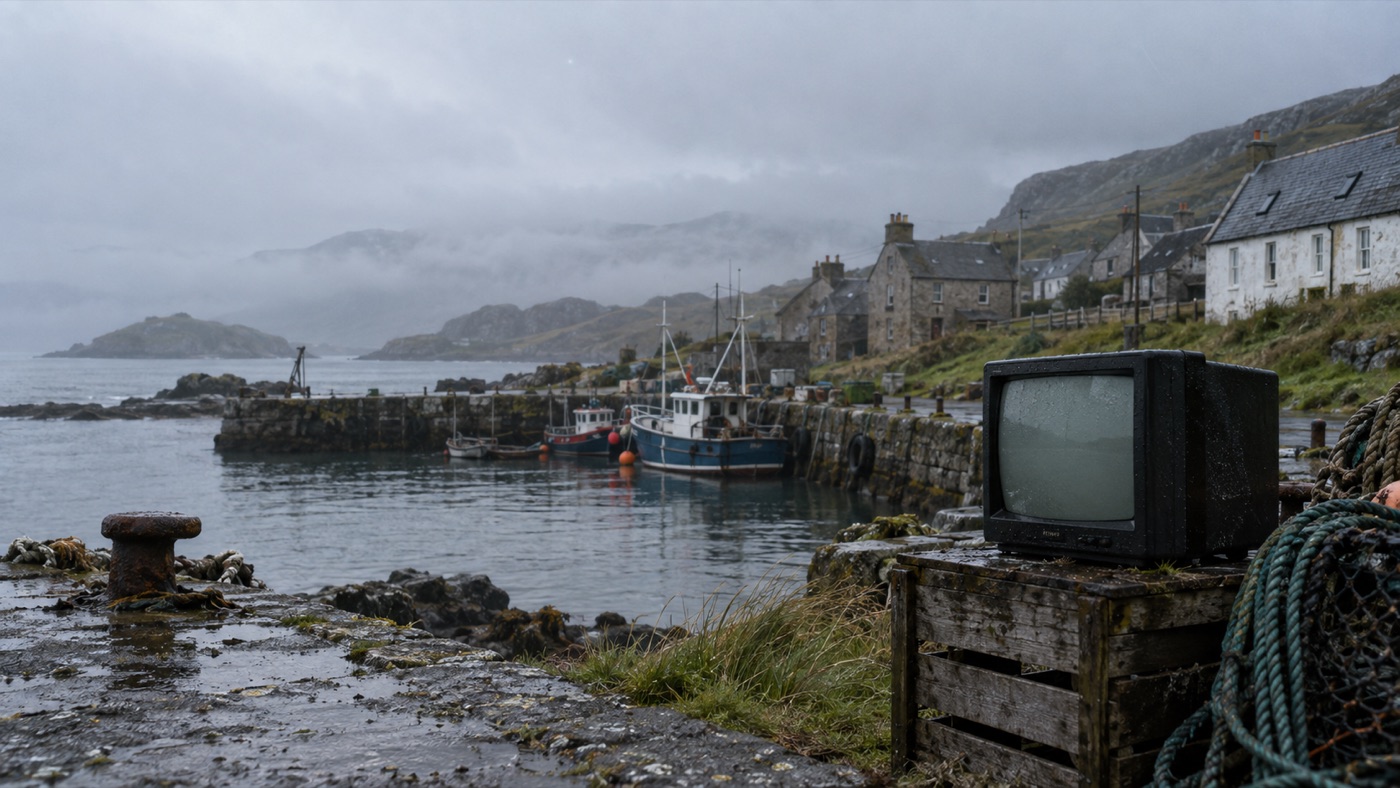
Silent Hill Townfall launches on September 24, 2026, for PlayStation 5, Steam and the Epic Games Store. The digital Deluxe Edition opened 48-hour early access on September 22. On Steam, the currently recorded full-release unlock is 04:00 UTC on September 24, although storefront timing can change and PlayStation or Epic availability may follow regional store schedules.
KONAMI describes Townfall as a full-length, self-contained first-person psychological horror game. It sends protagonist Simon Ordell to St. Amelia, a remote Scottish island where a pocket television called the CRTV helps him tune into unstable signals. This guide separates confirmed launch information from storefront timing so buyers can choose the right platform and edition.
Silent Hill Townfall Release Time by Region
Steam’s currently recorded unlock converts to the following regional times. Treat this as the best available PC timing rather than a universal console countdown. Store pages can update close to launch, so check the final countdown in your own Steam, Epic or PlayStation account before arranging a download or play session.
| Region | Local release time | Date |
|---|---|---|
| US Pacific | 9:00 p.m. PDT | September 23 |
| US Eastern | 12:00 a.m. EDT | September 24 |
| United Kingdom | 5:00 a.m. BST | September 24 |
| Central Europe | 6:00 a.m. CEST | September 24 |
| India | 9:30 a.m. IST | September 24 |
| Japan | 1:00 p.m. JST | September 24 |
| Australian Eastern | 2:00 p.m. AEST | September 24 |
KONAMI confirms September 24 as the official release date across announced platforms. However, the publisher does not present one worldwide console unlock time in its announcement. Therefore, PS5 owners should trust the countdown displayed on their regional PlayStation Store, while Epic users should confirm the timer in the Epic Games Store client.
Players following other Japanese game launches can also compare OtakuZasshi’s Stranger Than Heaven editions and bonuses guide and the Steins;Gate Re:Boot release date guide.
Platforms and Physical Availability
Silent Hill Townfall is confirmed for PS5, Steam and the Epic Games Store. KONAMI has not announced Xbox Series X|S, Nintendo Switch 2 or last-generation versions. Buyers should not assume that an unannounced port will arrive later unless the publisher adds it to the official platform list.
Physical copies are limited to PS5. PC players can buy the game digitally through Steam or Epic, and the Deluxe Edition is digital-only on every confirmed platform. That makes the PS5 Standard Edition the relevant choice for collectors who want a disc, while PC buyers should compare the two digital packages.
KONAMI’s European announcement also lists a SteelBook incentive at selected retailers while supplies last. Availability depends on country and retailer, so confirm the item on the retailer page before paying. A generic product image or the phrase “Day One Edition” does not always guarantee the same regional bonus.
Standard and Deluxe Editions Compared
Both editions include the complete game. The Deluxe upgrade adds digital extras, an alternate outfit for Simon and early access for preorders. It does not list a separate story episode or expansion, so the extra cost mainly buys advance play and companion material.
| Feature | Standard Edition | Digital Deluxe Edition |
|---|---|---|
| Full game | Yes | Yes |
| 48-hour early access | No | Yes, with preorder |
| Digital artbook | No | Yes |
| Digital soundtrack | No | Yes |
| Simon alternate outfit | No | Yes |
| Rusted CRTV style | Early purchase or preorder bonus | Preorder bonus |
| Beach Edition CRTV style | PS5 early purchase or preorder bonus | PS5 preorder bonus |
| Physical edition | PS5 only | No |
The Deluxe Edition makes the most sense for someone who wants to play before the standard launch or values the art and music extras. Otherwise, the Standard Edition contains the same main game and remains the simpler purchase. Because early access is already underway, confirm that a store still displays the benefit before buying primarily for that reason.
PC Requirements and Storage
Steam lists 75 GB of available storage for both the minimum and recommended specifications. The minimum target is 1080p at 30 frames per second on Low settings, while the recommended target is 4K at 30 frames per second on High settings with an upscaler set to Balanced. Those performance notes matter because the recommended GPU tier is substantially higher than the minimum.
| Component | Minimum | Recommended |
|---|---|---|
| Operating system | Windows 11 64-bit | Windows 11 64-bit |
| Processor | Ryzen 5 3600 or Core i7-8700K | Ryzen 7 5700X or Core i7-9700K |
| Memory | 16 GB RAM | 32 GB RAM |
| Graphics | RTX 2060 Super or RX 6600 | RTX 3080 or RX 7800 XT |
| DirectX | Version 12 | Version 12 |
| Storage | 75 GB | 75 GB |
These are official storefront targets, not a guarantee for every hardware combination. Driver versions, background applications and final patches can affect performance. PC players should leave additional free space for installation overhead and updates, then review post-launch performance reporting before choosing demanding settings.

What Silent Hill Townfall Is About
Townfall follows Simon Ordell as he returns to St. Amelia to “put things right.” The island appears quiet beneath heavy fog, but the official description makes clear that its past has not stayed buried. Screen Burn Interactive, previously known as No Code, developed the game, while KONAMI and Annapurna Interactive co-publish it.
The entire game uses a first-person viewpoint. Simon explores homes and streets, evades threats, fights with a limited selection of weapons, and solves narrative-driven puzzles. His CRTV pocket television is more than visual decoration. KONAMI says it can tune into unstable signals, linking the device directly to exploration and the island’s mysteries.
This structure distinguishes Townfall from a short experimental spin-off. KONAMI calls it a full-length, self-contained story, so newcomers should not need another Silent Hill game to understand its central plot. Familiar series themes remain important, especially isolation, memory and psychological unease, but St. Amelia and Simon form their own narrative.
Preorder Bonuses and Buying Advice
The early purchase or preorder package includes the Rusted CRTV style. PS5 buyers can also receive the Beach Edition CRTV appearance, which KONAMI marks as a PlayStation exclusive. These items change the look of the in-game device rather than adding new missions or mechanical advantages.
Choose the PS5 physical Standard Edition if ownership of a disc matters most. Choose digital Standard if you only want the game at the lower price. Deluxe is most useful for the digital soundtrack, artbook and alternate outfit, since much of its 48-hour head start has already passed by September 23.
Regional retailer bonuses require extra care. The European SteelBook promotion applies only to named stores and available stock, while Japanese retailer extras vary by shop. Compare the exact listing in your country instead of importing solely on the assumption that every physical copy includes the same item.
Frequently Asked Questions
When does Silent Hill Townfall release?
The official date is September 24, 2026. Steam’s currently recorded release timing is 04:00 UTC, which converts to 9:30 a.m. IST, 5:00 a.m. BST and midnight EDT. Other storefronts may use regional schedules.
Is Silent Hill Townfall coming to Xbox or Switch 2?
No Xbox or Nintendo version has been announced. The confirmed platforms are PS5, Steam and the Epic Games Store.
Does the Deluxe Edition include extra story content?
KONAMI lists a digital artbook, digital soundtrack, an alternate Simon outfit and preorder early access. The announced package does not list an additional story chapter.
Can I buy a physical PC edition?
No physical PC edition is announced. Physical copies are available only for PS5, while Steam and Epic versions are digital.
Read Next
For more launch planning, see OtakuZasshi’s Tokyo Game Show 2026 cancellation and refund guide. It explains the latest official event changes and buyer options. You can also use the related edition and release guides linked earlier when comparing upcoming Japanese games.
Sources
- KONAMI North America release announcement
- KONAMI Europe release and gameplay overview
- Official KONAMI product page
- Silent Hill Townfall on Steam
- SteamDB release metadata
Silent Hill Townfall arrives during a busy period for horror games, but its focused Scottish setting and signal-based CRTV give it a clear identity. The Standard Edition is enough for the complete story, while Deluxe mainly suits players who value the artbook, soundtrack and remaining early-access time. Before buying, verify the final countdown and regional bonuses on the storefront you will actually use.
Gaming
Stranger Than Heaven Editions, Prices and Bonuses Explained
Compare Stranger Than Heaven editions, prices, platforms and preorder bonuses before choosing Standard, Deluxe or the PS5 Collector’s Edition.
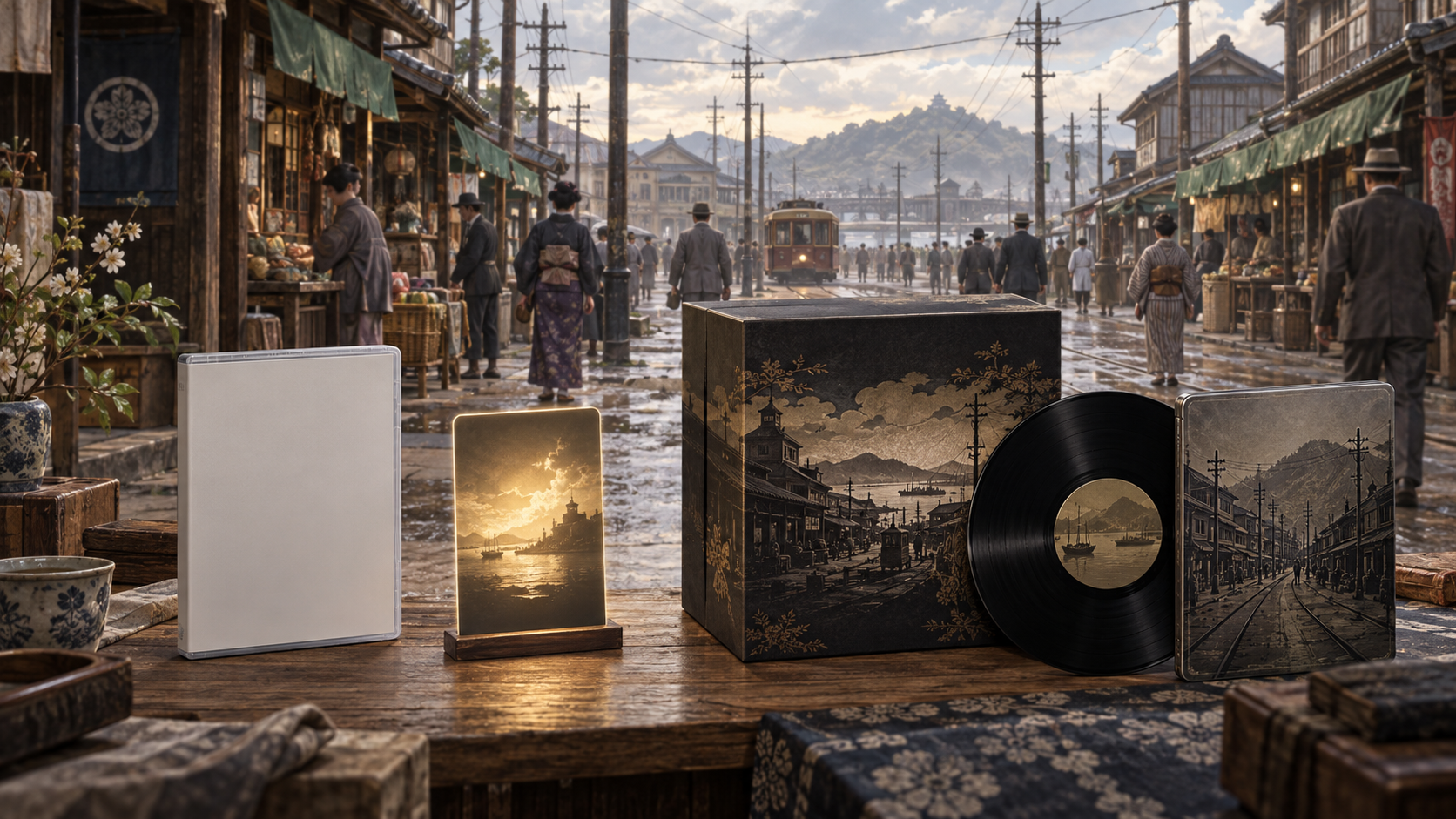
Stranger Than Heaven editions come in three main choices: Standard for the base game, Digital Deluxe for extra in-game items, and a limited PS5 Collector’s Edition with physical memorabilia and the Deluxe Upgrade. Sega lists a January 15, 2027 release in Japan, while the US Steam storefront currently displays January 14 because storefront dates can reflect regional timing. If you mainly want to play RGG Studio’s historical action-adventure, Standard is the straightforward buy. Deluxe is for players who will use its combat, performance and photography extras; Collector’s is for those who value the record and display pieces.
Stranger Than Heaven Editions at a Glance
Sega’s official edition announcement distinguishes the digital Standard and Deluxe editions from the limited physical Collector’s Edition. The game is planned for PlayStation 5, Xbox Series X|S, Xbox on PC and Steam, with Xbox Game Pass and Xbox Cloud availability also listed by Sega. However, the Collector’s package contains a PS5 disc, so it is not a physical Xbox or PC edition.
Prices depend on region and storefront. The table below uses Sega’s published Japanese tax-inclusive prices and the US Steam prices visible on September 21, 2026. It does not convert currencies or imply that Japan-only retail bundles are available globally.
| Edition | What you get | Japan price | US Steam price |
|---|---|---|---|
| Standard digital | Base game | ¥8,990 | $69.99 |
| Standard PS5 physical | Base game on disc | ¥9,900 | Not a Steam product |
| Digital Deluxe | Base game plus Deluxe content | ¥11,990 | $89.99 |
| PS5 Collector’s Edition | PS5 disc, Deluxe Upgrade code, vinyl record, SteelBook and box | ¥18,000 | Not a Steam product |
The Japanese prices come from the official game site, and the US PC prices come from the Steam store listing. Check your own regional store before paying. Taxes, retailer discounts, stock and platform-specific prices may differ, and the publisher can revise details before release.
What the Digital Deluxe Edition Adds
Digital Deluxe includes the base game, an outfit for protagonist Makoto Daito, four weapons, four skilled performers, three stage production items, a promotional poster, an in-game record player and an electronic camera. The Steam edition description says the record player lets players enjoy music from different eras at their home base, while the camera expands photography functions. These are game items, not a physical record, poster or camera delivered to your home.
The extras align with two of the game’s confirmed activities. Weapons affect combat options, whereas performers and stage items support the show-business system that Sega has described in its Tokyo Game Show gameplay update. That makes Deluxe more than a cosmetic costume pack, but Sega has not shown that any of its items are necessary to finish the story. We would not recommend paying more solely out of fear that Standard lacks a complete campaign.
There is also a lower-risk route for undecided buyers. Sega says Standard owners can purchase a Deluxe Upgrade later. The upgrade price and precise regional availability should be checked on your platform when it goes live, rather than assumed from the gap between full-edition prices. If you want to see how often you use the show’s management and photo features before spending extra, start with Standard.
What Comes in the PS5 Collector’s Edition
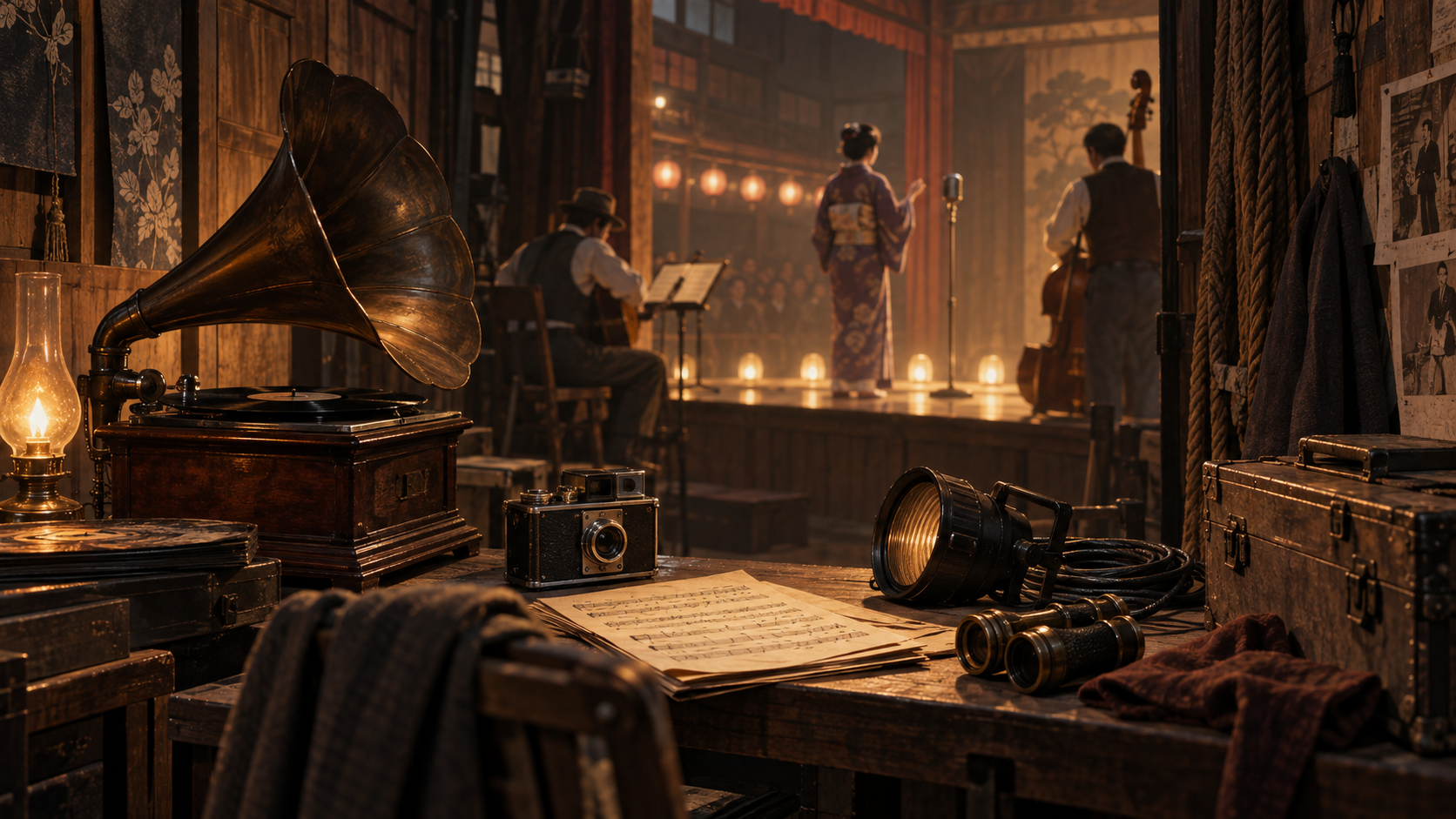
The Collector’s Edition contains the PS5 physical game, a Deluxe Upgrade voucher, a premium SteelBook, a collector’s box and a vinyl record with selected music, including the main theme. Sega also lists a voucher for the preorder weapon in its English Collector’s Edition breakdown. The vinyl is the major distinction from the Deluxe Edition’s in-game record player: one is a physical item, and the other is a game feature.
At ¥18,000 in Japan, Collector’s costs ¥6,010 more than the Japanese Digital Deluxe list price, but that comparison crosses physical and digital formats. The sensible question is whether you want a PS5 disc and the tangible record, SteelBook and box. If you play on PC or Xbox, this package does not provide a compatible copy for your platform.
Sega calls the edition limited. That describes its announced supply, not a guaranteed resale value or a reason to rush. Before ordering, verify the retailer’s stock, shipping region, import charges and whether the DLC voucher works with the region of your PlayStation account. The physical merchandise and voucher details can still change before release.
Preorder Weapon and Retailer Bonuses
Preorders include the in-game weapon Dosu: Kagekiri. Sega’s official materials say it is a preorder incentive across the relevant editions, and that owners can use it after advancing through the story. This does not establish that people who skip the preorder can obtain the weapon through normal play. Treat it as a bonus, not as proof that an edition contains a more complete campaign.
Japanese PS5 retailers offer different early-purchase extras while supplies last. Sega’s September 10 retailer notice lists an Amazon Japan wallpaper, a Don Quijote pin badge, a Rakuten Books aluminum calendar and region-themed film-and-sticker sets at several electronics chains. Sega Store Online also has a separate DX pack with a lenticular poster, cigarette case, lighter case and embroidered patch. These are retailer-specific offers, not contents of every Standard or Collector’s box.
The distinction matters if you compare a storefront screenshot with an international preorder page. A Japanese retailer bonus may not ship abroad and may run out before launch. Read the exact product listing, check the eligible edition and keep a copy of the stated offer. If you only care about playing the game, a reliable local seller usually matters more than a small exclusive accessory.
Release Date, Platforms and Game Pass
Sega’s Japanese product information gives January 15, 2027 as the planned release date. The US Steam page currently displays January 14, 2027. Those listings are not necessarily contradictory: stores often present unlock dates in local time zones. Sega has not supplied a universal hour-by-hour launch chart here, so do not assume a midnight unlock in your country. Check the platform store closer to release for the exact local time.
The officially named platforms are PS5, Xbox Series X|S and PC through Steam or Xbox on PC. Sega also lists Xbox Game Pass and Xbox Cloud. Availability through a subscription does not mean a subscriber owns the game, and the terms of a particular Game Pass tier can change. Confirm your tier and region in the Xbox app before planning around a day-one download. Sega has not announced a Switch 2 version in the cited product information.
PC buyers should note a separate unknown: Steam’s system-requirements panel still says the detailed minimum and recommended specifications are to be determined. That is a good reason to hold off on a PC preorder if your hardware sits near the edge of recent RGG releases. For other upcoming Japanese games, OtakuZasshi’s Kingdom Hearts 4 platform guide and Steins;Gate Re:Boot release guide provide similar confirmed-versus-unconfirmed checks.
Which Edition Should You Buy?
Choose Standard if you want the full story at the lowest listed entry price and are comfortable deciding on an upgrade later. Choose Digital Deluxe if the extra weapons, show-business personnel, stage items and camera sound like features you will actually use. Choose Collector’s only if you play on PS5 and actively want the physical record, SteelBook and presentation box. This is a value judgment based on Sega’s announced contents, not a claim that one edition improves the underlying game.
If you planned to try the game at Tokyo Game Show, note that the event’s September 21 final day was cancelled. Our Tokyo Game Show cancellation and refund guide explains the affected admission day; it does not change the game’s announced launch date or preorder terms. Published footage from earlier Sega presentations remains a better basis for judging the game than rumors about a cancelled stage program.
The best Stranger Than Heaven edition for most undecided players is Standard, because it contains the base game and leaves the option of a later Deluxe Upgrade. Deluxe makes sense when its confirmed in-game extras match how you plan to play. Collector’s is a PS5 memorabilia purchase as much as a game purchase. Before checkout, verify your local price, platform, release-time listing and retailer bonus, since those are the details most likely to vary by region.
Primary Sources
Gaming
Tokyo Game Show 2026 Final Day Cancelled: Refund Guide
Tokyo Game Show 2026 cancelled its September 21 final day. Learn who gets a ticket refund, where to check updates, and what may move online.
Tokyo Game Show 2026 cancelled its entire final day on Monday, September 21, because of the approaching Typhoon No. 25, also known as Dujuan. Visitors holding tickets for September 21 should not travel to Makuhari Messe. Refunds will be available through the ticket seller used for the purchase, while individual publishers will announce whether selected stage programs move online or receive new dates.
What Was Cancelled on September 21
The cancellation covers the full final public day of Tokyo Game Show 2026 at Makuhari Messe and the nearby TKP venue. The show had originally planned a five-day 30th anniversary edition from September 17 through September 21, with business days on September 17 and 18 followed by three public days. However, the organizer’s safety decision means September 20 became the final in-person day.
The announcement affects admission, exhibition booths, stage activities and other on-site programming scheduled for September 21. That includes the planned closing stage and competitive events listed on the original schedule. Visitors should treat older timetable pages as outdated because some official pages may still display the original five-day plan.
The cancellation applies only to September 21. According to GAME Watch’s report on the organizer’s announcement, September 20 proceeded as scheduled and tickets for that date are not part of the final-day refund. Date-specific tickets cannot simply be used on another day now that the physical exhibition has ended.
Tokyo Game Show 2026 Ticket Refunds
People who purchased a ticket for September 21 are eligible for a refund. The exact steps and timing depend on the ticket platform or retailer that handled the transaction. Keep the ticket, order email, payment receipt and any account login details until the refund reaches the original payment method.
Start by checking the inbox and spam folder connected to the purchase. Then open the ticket seller’s official order page and look for a cancellation notice. The organizer has said that each seller will communicate its own procedure, so visitors should avoid unofficial refund forms or social-media accounts asking for payment details.
The original Tokyo Game Show ticket page states that ordinary buyer mistakes do not qualify for refunds. This event-wide cancellation is different, and the newer cancellation notice takes priority for September 21 admissions. Still, processing times can vary by seller, card network and bank.
What About Premium or Multi-Day Tickets
Tokyo Game Show offered several admission products, including general admission, fast tickets and premium packages. A refund announcement for the cancelled day does not automatically explain how every bundle, benefit or add-on will be valued. Premium ticket holders should wait for instructions that name their exact ticket product instead of assuming that the full original purchase price will be returned.
Likewise, buyers should distinguish event admission from separate travel costs. Train bookings, flights, hotels and third-party packages follow their own cancellation rules. Contact each provider directly, mention the event cancellation and ask whether a weather exception applies. Save the official cancellation notice in case the provider requests proof.
If a seller has not contacted you yet, do not submit a chargeback immediately. First document the order number, seller and payment method, then use the seller’s official support channel. A chargeback can complicate a normal refund already being processed, so it is better treated as a last resort when the seller fails to resolve a valid claim.
Which Stage Events and Streams May Continue
The physical show is closed on September 21, but that does not mean every planned announcement or broadcast has disappeared. Publishers control many of their own programs and may reschedule them, move them online or cancel them separately. There is no single confirmed replacement timetable for every affected presentation at the time of writing.
KONAMI’s official TGS page says its September 21 live programs will have their dates or content changed for safety and asks viewers to follow each title’s official social account. LINE GAME’s official event page also confirms the cancellation and directs users to its official X account for updates.
Fans should check the official Tokyo Game Show channels first, followed by the publisher and game account connected to a specific presentation. Avoid reposted schedules unless they link back to a current official notice. Streams that remain available can still change at short notice because staff, performers and production teams face the same transport risks as visitors.
Why Organizers Cancelled the Final Day
The organizer cited the approaching typhoon and concern about worsening wind, rain and transportation conditions. Large events must consider not only conditions at the venue but also whether tens of thousands of visitors, exhibitors and workers can reach home safely. Rail delays or suspensions can leave crowds stranded even when a convention hall itself remains secure.
Cancelling before the morning commute gives visitors a clearer instruction and reduces unnecessary travel. It also lets exhibitors secure equipment and gives stage teams time to revise productions. Although the decision disrupts the anniversary program, public safety and reliable transport take priority over completing the planned schedule.
This is also why visitors should not travel to Makuhari Messe hoping that selected booths will open. A publisher moving one program online does not reopen the venue. The cancellation covers the entire in-person final day.
What Visitors Should Do Now
First, do not go to the venue on September 21. Keep your ticket and purchase records, monitor the email address used for the transaction and follow only the official refund link supplied by the seller. If you bought tickets for friends, the original purchaser may need to complete the claim for the whole order.
Next, review separate bookings one by one. Check railway and airline service notices before travelling elsewhere, and contact accommodation providers through the channel used to book. For publisher events, bookmark the relevant official game page rather than relying on a screenshot of the old TGS schedule.
Finally, readers following upcoming Japanese game announcements can use OtakuZasshi’s Kingdom Hearts 4 release guide, GTA 6 release and leak guide and Steins;Gate Re:Boot release guide for confirmed platform and launch information beyond the event floor.
Tokyo Game Show 2026 Cancellation FAQ
Is Tokyo Game Show 2026 cancelled completely?
No. The organizer cancelled the final day, September 21. The earlier business and public days already took place, and September 20 became the last in-person day.
Can I get a refund for a September 21 ticket?
Yes. The organizer announced refunds for September 21 tickets. The ticket seller used for the purchase will provide the method and schedule.
Are September 20 tickets refundable?
Not under the final-day cancellation announcement. September 20 proceeded as scheduled, so its admission tickets are not included in the September 21 refund.
Will cancelled stage programs stream online?
Some publishers may reschedule or stream selected programs, but there is no universal replacement schedule. Check the official account for the specific publisher or game.
What the Cancellation Means for Fans
Tokyo Game Show 2026 cancelled its final day to protect visitors and staff from worsening typhoon conditions and possible transport disruption. September 21 ticket holders should wait for instructions from their purchase provider, preserve all order records and check publisher channels for any rescheduled broadcasts.
The practical message is simple: do not travel to Makuhari Messe, do not trust unofficial refund forms and do not assume an old event schedule remains valid. Official ticket and publisher updates will provide the safest path to a refund and any replacement programming.
Sources
-
 Gaming2 years ago
Demon Slayer Game Set for Digital Release on Multiple Platforms in 2024
-

 Latest News3 years ago
Release Date Revealed for ‘Rascal Does Not Dream of a Knapsack Kid’
-
 Latest News4 years ago
Love is in Sight! Anime ‘Girl Forgot Glasses’ Unveils Promo & Cast
-
 Gaming3 years ago
Tekken 8 Closed Network Test in July: Register Now
-
 Latest News2 years ago
Kengan Ashura 2nd Season Part 2: Promo, Theme, and Debut Date
-
 Latest News2 years ago
Predicting the Epic: Demon Slayer’s Infinity Castle Arc Movie
-

 Latest News2 years ago
First Glimpse: Live-Action Blue Period Film Trailer Unveiled
-

 Latest News3 years ago
New Baki Manga by Keisuke Itagaki Launching August 2023