Gaming
Fire Emblem: Fortune’s Weave Release Date and Gameplay
Fire Emblem: Fortune’s Weave launches September 17 on Switch 2. Explore four hero routes, Heroic Games strategy, time travel, editions and confirmed systems.

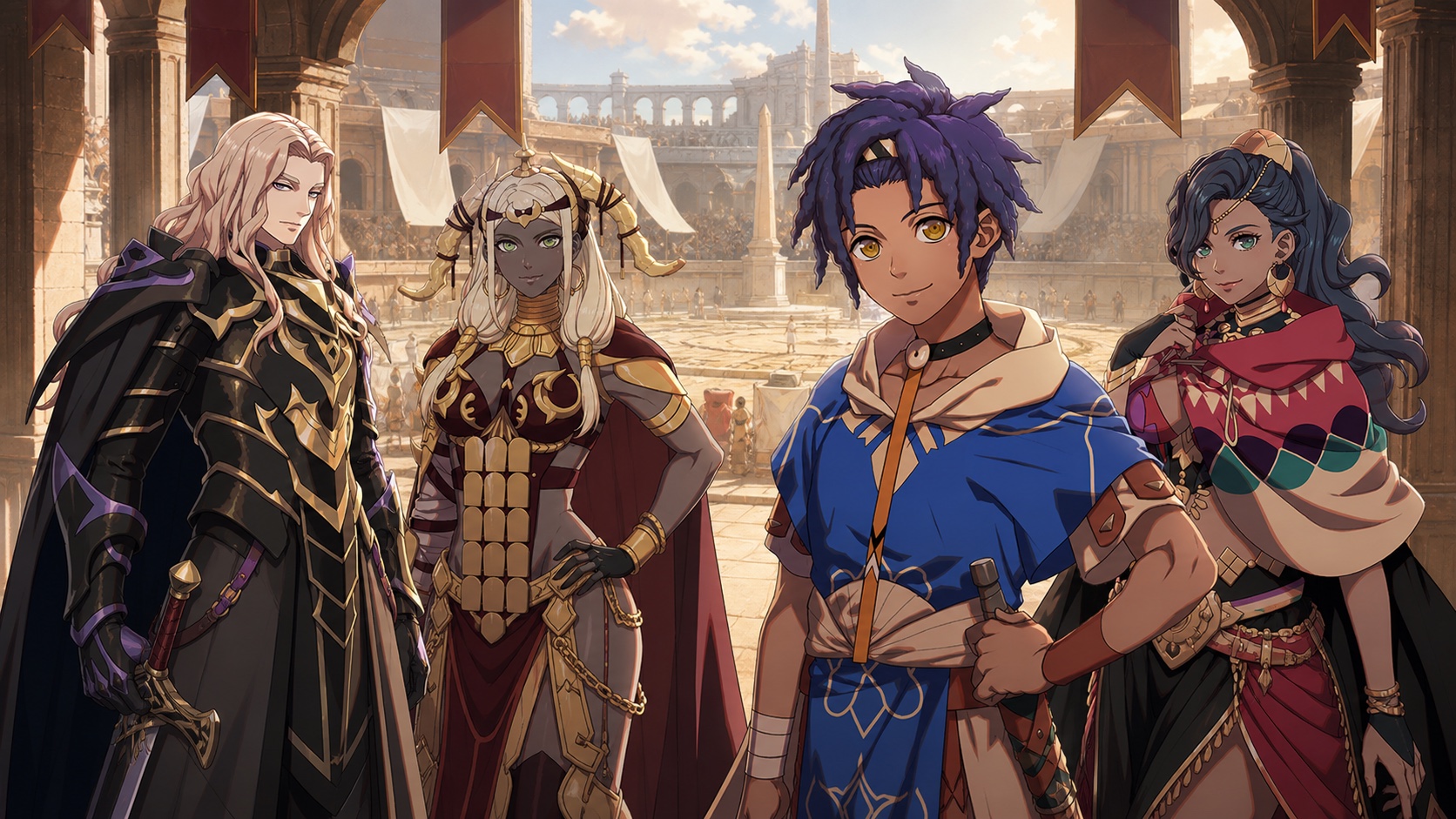
Fire Emblem: Fortune’s Weave arrives exclusively on Nintendo Switch 2 on September 17, 2026. Nintendo’s new dedicated Direct transformed the game from an intriguing tournament story into one of the year’s most ambitious strategy RPGs, revealing four intersecting hero routes, limited-time preparation phases, traditional grid battles, and a larger time-spanning mystery.
The basic premise of Fire Emblem: Fortune’s Weave remains easy to grasp: fighters gather in Dagsion, capital of the Dagdan Empire, for the Heroic Games. The winner receives one wish. However, Cai, Dietrich, Theodora, and Leda each enter for deeply personal reasons, and Nintendo now makes clear that their separate fortunes feed into a conflict far larger than the arena. Here are seven confirmed details players should know without reproducing the Direct’s biggest spoilers.
Fire Emblem: Fortune’s Weave Launches September 17
Nintendo lists September 17, 2026, as the worldwide release date for Fire Emblem: Fortune’s Weave. It is a Nintendo Switch 2 exclusive, so there is no original Switch, PC, PlayStation, or Xbox version currently announced. The official listing supports TV, tabletop, and handheld play with one player on a single system.
The US store names Nintendo as publisher and Intelligent Systems as developer. Regional pages also list Japanese, English, French, German, Italian, Spanish, Korean, Simplified Chinese, and Traditional Chinese support. An estimated 29.5GB download appears on several Nintendo regional stores, although Nintendo notes that specifications can change before launch.
The Heroic Games Unite Four Competing Stories
The story of Fire Emblem: Fortune’s Weave begins in Dagda, an empire said to have prospered under divine rule for 1,500 years. Its capital hosts the Heroic Games, where a single victory can grant a wish. Rather than following one conventional lord from the opening chapter, the game introduces four contenders whose separate campaigns gradually reveal different sides of the same crisis.
Cai wants to free his imprisoned father. Dietrich is a swordsman searching for a worthy rival. Theodora is a queen pursuing a long-held dream for her homeland, while musician Leda seeks revenge. Nintendo describes the result as a time-traveling saga, which means the tournament serves as a gateway into a broader narrative rather than the entire plot.
One Save Lets Players Follow Every Hero Route
The August 4 official Fire Emblem: Fortune’s Weave Direct showed that players can move between the four heroes’ perspectives within the same overall journey. That structure should let each route preserve its own motivations and allies while still advancing a shared timeline. It also avoids forcing players to begin four completely isolated save files just to understand the central mystery.
Nintendo’s presentation goes further into the identity behind the larger story and its connection to time, but viewers who want a surprise should stop before the Direct’s closing stretch. What can safely be said is that the Heroic Games do not resolve the world’s danger by themselves. Decisions and relationships formed during the tournament appear designed to matter when the scope expands.
Preparation Turns Free Time Into Strategy
Between Heroic Games matches, Fire Emblem: Fortune’s Weave lets players explore Dagsion and travel beyond the city walls. Training grounds improve techniques, while recruitment adds new units and friendships to each force. Outside expeditions include battles, bandits, monsters, and dungeons that provide experience and resources before the next required contest.
The important limitation is time. Nintendo says players have a finite preparation window, so every activity carries an opportunity cost. Training a key unit may mean postponing a dungeon, while recruiting an ally may consume time that could have strengthened an existing squad. That calendar-like pressure recalls the planning appeal of Fire Emblem: Three Houses without simply rebuilding Garreg Mach.
Classic Tactical Combat Gains Hero Abilities
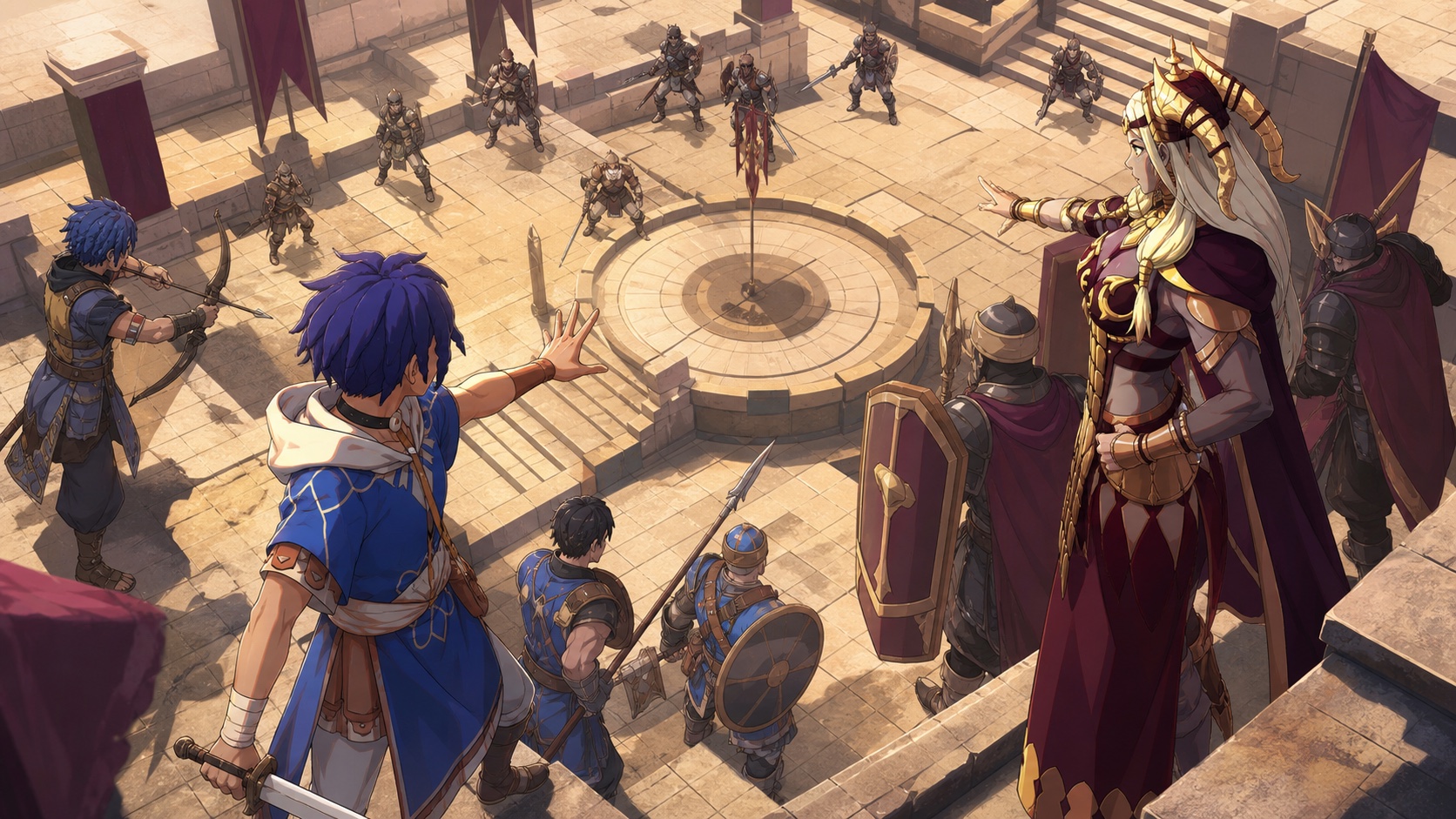
Grid-based, turn-by-turn army battles remain the foundation of Fire Emblem: Fortune’s Weave. Players must evaluate movement ranges, terrain, unit strengths, enemy formations, and attack order before committing. Classes, certifications, and Combat Arts return, preserving recognizable Fire Emblem progression even as the setting shifts toward a grand imperial tournament.
The four headline heroes also possess distinctive powers that affect battle and exploration. The Direct presents these abilities as more than flashy finishers: each leader’s strengths can create different tactical priorities and route-specific options. Nintendo has not published every class, recruitment rule, difficulty setting, or permanent-death option, so players should avoid assuming that every system works exactly as it did in Three Houses or Engage.
The Three Houses Connection Remains Deliberately Mysterious
Fortune’s Weave contains imagery and returning figures that directly invite comparisons with Fire Emblem: Three Houses. Even so, Nintendo has not reduced the game to a straightforward sequel with a clearly stated position on Fódlan’s calendar. Its time-manipulation premise allows familiar elements to appear without immediately explaining whether events happen before, after, or across the established era.
That uncertainty is part of the marketing rather than proof of any fan theory. Returning characters may provide meaningful continuity, but the Dagdan Empire, Dagsion, the four contenders, and the Heroic Games form a new central identity. Until Nintendo explains the timeline directly, claims about alternate universes, canon endings, or specific bloodlines should remain labeled as speculation.
Standard and Dagdan Collection Editions Are Confirmed
Nintendo offers digital and physical standard editions of Fire Emblem: Fortune’s Weave, while collectors can look for the physical Dagdan Collection. The premium package includes the full game, a steelbook case, an artbook, character art cards, and a map of Dagda. Availability can differ by retailer and region, so buyers should use Nintendo’s local store rather than importing based on an unofficial stock notice.
The official ESRB listing includes Fantasy Violence, Mild Language, Suggestive Themes, Use of Alcohol, and In-Game Purchases. Nintendo has not yet explained the exact nature of those purchases on the public product page. Players following other current tactical and Japanese RPG releases can also read OtakuZasshi’s Suikoden STAR LEAP global release guide.
Fire Emblem: Fortune’s Weave now looks like far more than a tournament-themed side story. Its four connected heroes, limited preparation windows, tactical battles, route switching, and time-spanning mystery give Intelligent Systems room to combine familiar Fire Emblem strategy with a genuinely different campaign structure. The September 17 Switch 2 release is confirmed; the smartest next step is to watch the official Direct selectively, choose a region-appropriate edition, and avoid treating unanswered timeline questions as established canon.




Gaming
Kingdom Hearts Switch 2 Upgrade, Price and Save Transfer
The Kingdom Hearts Switch 2 upgrade brings native versions, save transfer and a 50% cloud-owner discount. Compare prices and included games.
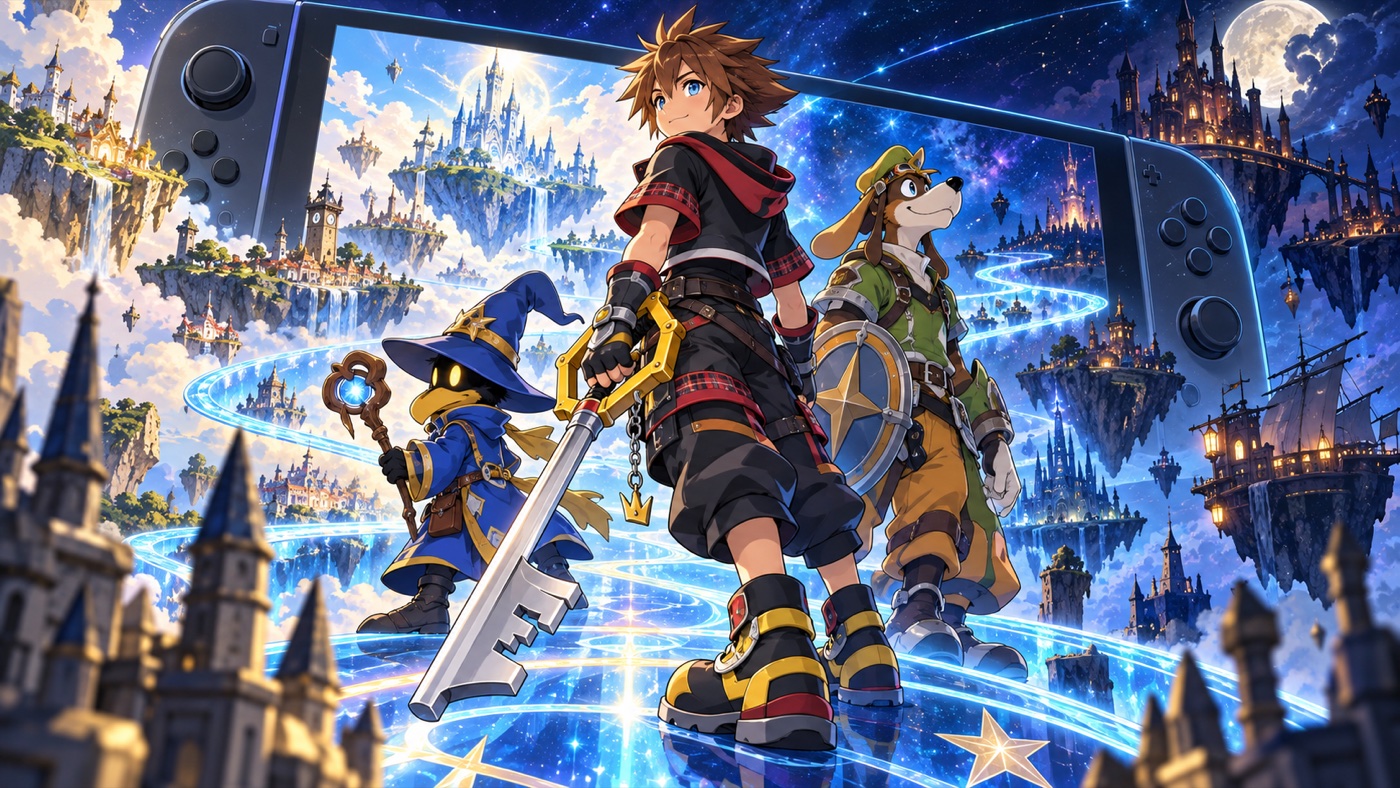
The Kingdom Hearts Switch 2 upgrade is available now as three native collections or one $74.99 bundle, with save transfer and a 50% discount for eligible cloud-version owners. Square Enix released the new editions on October 8, 2026, replacing the old streaming requirement with games that run directly on Nintendo’s newer hardware.
The full Kingdom Hearts Collection [I–III] includes HD 1.5+2.5 ReMIX, HD 2.8 Final Chapter Prologue, and Kingdom Hearts III + Re Mind. Each package also costs $39.99 separately in the US Nintendo eShop. Therefore, the bundle saves $44.98 compared with buying all three one by one at regular price. This guide explains who qualifies for the discount, how save transfer works, what the collection includes, and which purchase makes sense.
Kingdom Hearts Switch 2 Upgrade at a Glance
Nintendo describes the new Switch 2 releases as native versions rather than cloud games. That distinction matters because the older Kingdom Hearts releases on the original Switch streamed gameplay over the internet. The new editions install and run on the console itself, although online services may still be needed for downloads, updates, cloud saves, and eShop purchases.
| Option | US regular price | Platform | Main contents |
|---|---|---|---|
| Collection [I–III] | $74.99 | Switch 2 | All three collections |
| HD 1.5+2.5 ReMIX | $39.99 | Switch 2 and original Switch | Six early-series experiences |
| HD 2.8 Final Chapter Prologue | $39.99 | Switch 2 | Three pre-KHIII experiences |
| Kingdom Hearts III + Re Mind | $39.99 | Switch 2 | Kingdom Hearts III and Re Mind DLC |
The $74.99 bundle is the clear value choice for a newcomer who wants the full sequence. Buying the three Switch 2 packages separately totals $119.97. However, a returning player who only wants Kingdom Hearts III or needs one missing collection may spend less by buying a single $39.99 release.
Readers planning for the series’ future can pair this guide with OtakuZasshi’s Kingdom Hearts 4 release date and platform guide, which separates confirmed details from expectations.
Who Gets the 50 Percent Cloud Owner Discount
Nintendo’s US store says players who own every Kingdom Hearts cloud title individually, or Kingdom Hearts Integrum Masterpiece for Cloud, qualify for 50% off the native Switch 2 games and the complete Collection [I–III]. Individual cloud-title owners may also see a discount on the corresponding native package. Eligibility depends on the Nintendo Account and regional store connected to the original purchase.
Use the same Nintendo Account that bought the cloud edition, then open the product page in the Nintendo eShop. The reduced price should appear before checkout when the account qualifies. Do not rely on a screenshot from another region because currencies, taxes, and offer details can differ. Also confirm the discount before paying, since Nintendo warns that the same content appears in several bundles.
A 50% discount would reduce the US $74.99 collection to about $37.50 before tax, if the full-bundle offer applies to the account. Treat that number as a calculation from the listed price, not a universal regional quote. The eShop checkout price remains the authority.
How Kingdom Hearts Save Transfer Works
Nintendo confirms that owners of the Switch cloud versions can move existing save data into the native Switch 2 releases. The transfer is designed to preserve progress for players replacing streamed editions with local versions. Before starting, update the console, verify that the correct Nintendo Account is active, and make sure the relevant cloud save is synchronized.
The transfer direction requires attention. Nintendo’s European product information for HD 1.5+2.5 ReMIX says save data can move from the Switch version to the Switch 2 version, but not back from Switch 2 to Switch. Therefore, keep the original save intact until the native version opens correctly. Do not assume that progress created later on Switch 2 will remain compatible with the older release.
Nintendo has not presented a single universal transfer button in its news post. Follow the instructions shown by the relevant game and eShop region, and transfer each collection separately if prompted. If a save does not appear, confirm that the purchased game, save data, and account all belong to the same region before starting a new file.
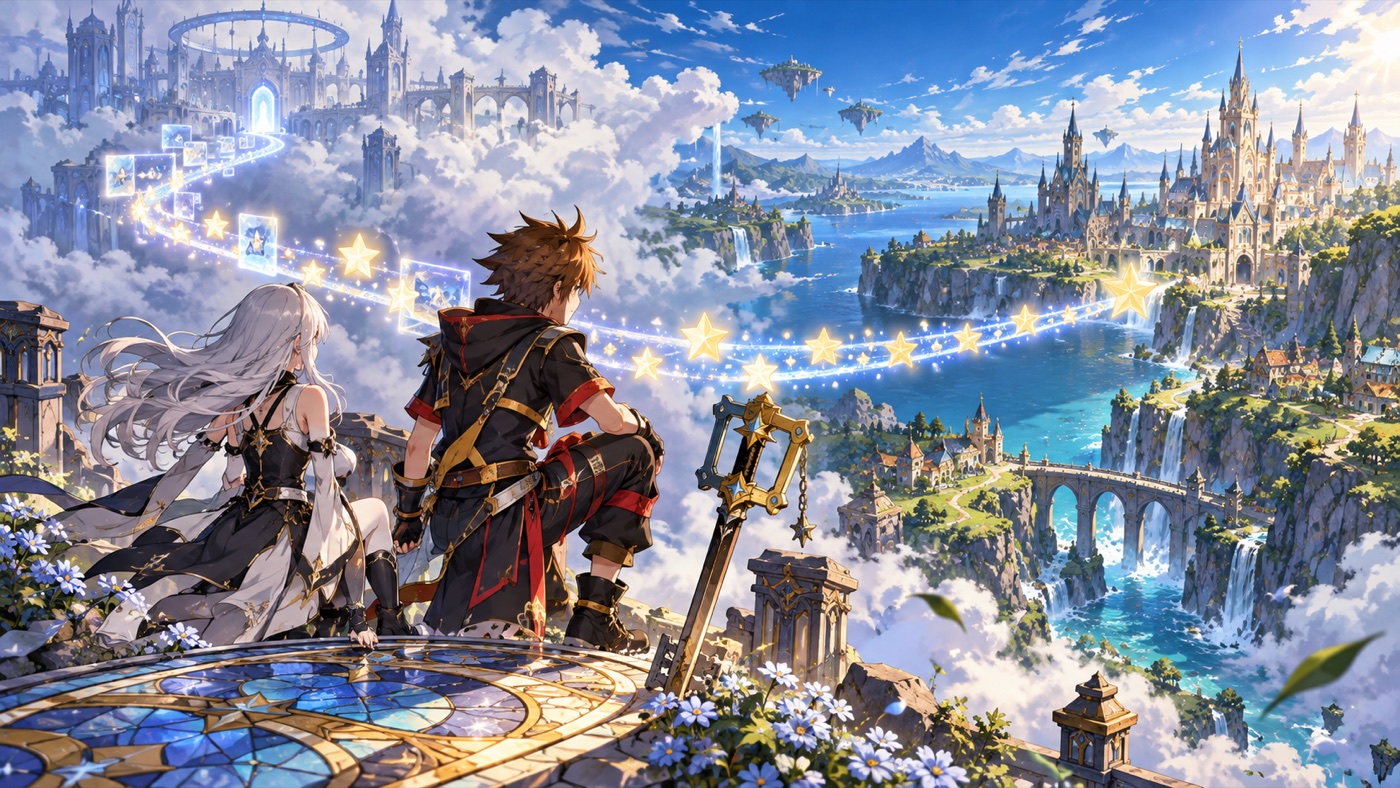
Every Game and Movie Included
The complete bundle spans ten playable games, shorter experiences, and movie compilations across three products. HD 1.5+2.5 ReMIX covers the opening era with Kingdom Hearts Final Mix, Re:Chain of Memories, Kingdom Hearts II Final Mix, Birth by Sleep Final Mix, and HD cinematic versions of 358/2 Days and Re:coded.
HD 2.8 Final Chapter Prologue includes Dream Drop Distance HD, the χ Back Cover movie, and the shorter 0.2 Birth by Sleep: A Fragmentary Passage. Kingdom Hearts III + Re Mind then provides the third numbered game and its major story DLC. The bundle organizes the main path, but newcomers should remember that two entries in 1.5+2.5 are cutscene compilations rather than fully playable remasters.
| Collection | Included experiences |
|---|---|
| HD 1.5+2.5 ReMIX | Final Mix, Re:Chain of Memories, II Final Mix, 358/2 Days movie, Birth by Sleep Final Mix, Re:coded movie |
| HD 2.8 | Dream Drop Distance HD, χ Back Cover movie, 0.2 Birth by Sleep |
| Kingdom Hearts III + Re Mind | Kingdom Hearts III and Re Mind DLC |
That structure makes the full collection useful for story continuity. Still, someone who already finished the early games elsewhere can buy 2.8 or Kingdom Hearts III separately without repurchasing the entire package.
Free Demo and Long Night Keyblade Bonus
Nintendo has released a free Kingdom Hearts III + Re Mind demo on Switch 2. The Japanese launch notice says the demo contains sections set in Olympus and Toy Box. Progress from the Olympus portion can transfer to the full version, giving uncertain buyers a practical way to test native performance before purchasing.
Buying either the full Collection [I–III] or Kingdom Hearts III + Re Mind grants the platform-exclusive Long Night Keyblade for use in Kingdom Hearts III. It is a purchase bonus, not an extra story chapter. Players buying only 1.5+2.5 or 2.8 should not expect the weapon unless their regional store listing explicitly includes it.
The demo is also the safer performance check for anyone sensitive to frame pacing, handheld text size, or battery use. Marketing language cannot replace testing on the exact console and display a player will use.
Which Kingdom Hearts Collection Should You Buy
New players should choose Collection [I–III] because its $74.99 price is far below the $119.97 separate total. Returning cloud owners should first check for the 50% account discount. At that reduced price, the complete native bundle can cost less than one full-price standalone collection.
Choose HD 1.5+2.5 alone if you want the earliest stories or use the original Switch, which also received a native version of that specific collection. Choose HD 2.8 if Dream Drop Distance, χ Back Cover, and 0.2 are the only missing pieces. Choose Kingdom Hearts III + Re Mind if you mainly want the latest completed chapter, its DLC, the free demo path, and the Long Night Keyblade.
This is a digital purchase decision, so check storage space before checkout. Nintendo currently lists HD 2.8 at an estimated 26.9 GB in Canada, while sizes can change through updates and regional packaging. Leave extra room rather than planning around the exact minimum.
Common Questions About the Native Versions
Are the Switch 2 releases still cloud games?
No. Nintendo calls them native versions, meaning the games run on the console instead of streaming the main gameplay from a remote server.
Can I transfer my cloud-version saves?
Yes. Nintendo confirms save transfer from the earlier Switch cloud editions to the native Switch 2 releases. Use the same Nintendo Account and keep the original data until the transfer is verified.
Can Switch 2 save data move back to Switch?
For HD 1.5+2.5 ReMIX, Nintendo’s European listing says the transfer does not work in reverse. Treat the process as one-way unless the product page for another collection says otherwise.
Is the complete bundle cheaper than separate purchases?
Yes. The $74.99 US bundle costs $44.98 less than three separate $39.99 purchases before tax or account discounts.
Does the free demo progress transfer?
Nintendo Japan says progress from the demo’s Olympus section can transfer to the full game. The announcement does not promise the same for the Toy Box section.
Read Next
For another recently released platform guide, see the Silent Hill Townfall release time, editions, and PC requirements. Readers comparing upcoming Japanese releases can also use the Steins;Gate Re:Boot platform and edition guide.
Sources
- Nintendo US launch guide and prices
- Nintendo US Collection I–III product page
- Nintendo Japan launch announcement
- Nintendo European HD 1.5+2.5 product information
The Kingdom Hearts Switch 2 upgrade finally gives the series native portable versions, a meaningful route away from cloud streaming, and a strong bundle price. Check the same-account discount before buying, transfer saves carefully, and use the free Kingdom Hearts III demo if performance matters. For most newcomers, Collection [I–III] offers the clearest path through the saga without purchasing overlapping packages.
Gaming
Silent Hill Townfall Release Time, Editions and Platforms
Find the Silent Hill Townfall release time, platforms, PC requirements, Deluxe early access and preorder bonuses before the September 24 launch.
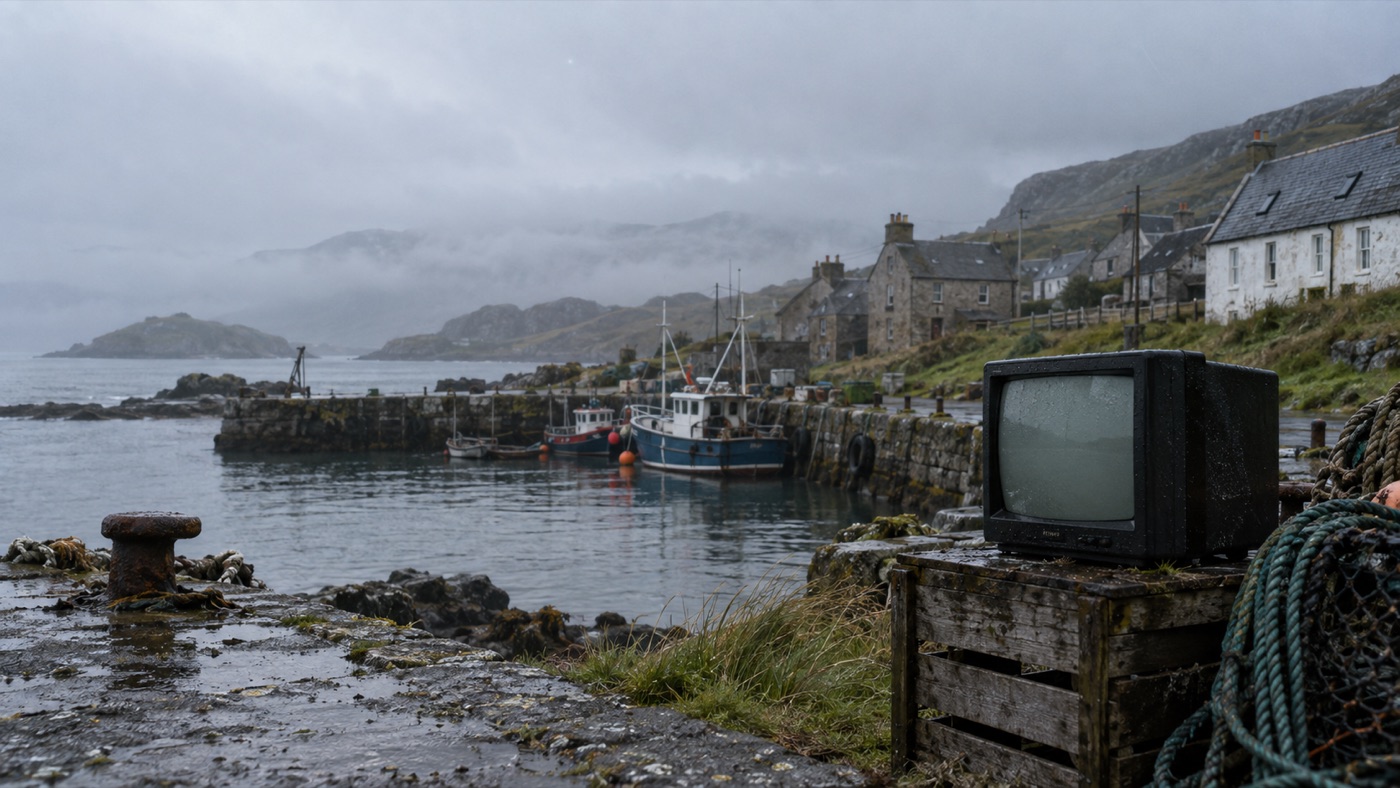
Silent Hill Townfall launches on September 24, 2026, for PlayStation 5, Steam and the Epic Games Store. The digital Deluxe Edition opened 48-hour early access on September 22. On Steam, the currently recorded full-release unlock is 04:00 UTC on September 24, although storefront timing can change and PlayStation or Epic availability may follow regional store schedules.
KONAMI describes Townfall as a full-length, self-contained first-person psychological horror game. It sends protagonist Simon Ordell to St. Amelia, a remote Scottish island where a pocket television called the CRTV helps him tune into unstable signals. This guide separates confirmed launch information from storefront timing so buyers can choose the right platform and edition.
Silent Hill Townfall Release Time by Region
Steam’s currently recorded unlock converts to the following regional times. Treat this as the best available PC timing rather than a universal console countdown. Store pages can update close to launch, so check the final countdown in your own Steam, Epic or PlayStation account before arranging a download or play session.
| Region | Local release time | Date |
|---|---|---|
| US Pacific | 9:00 p.m. PDT | September 23 |
| US Eastern | 12:00 a.m. EDT | September 24 |
| United Kingdom | 5:00 a.m. BST | September 24 |
| Central Europe | 6:00 a.m. CEST | September 24 |
| India | 9:30 a.m. IST | September 24 |
| Japan | 1:00 p.m. JST | September 24 |
| Australian Eastern | 2:00 p.m. AEST | September 24 |
KONAMI confirms September 24 as the official release date across announced platforms. However, the publisher does not present one worldwide console unlock time in its announcement. Therefore, PS5 owners should trust the countdown displayed on their regional PlayStation Store, while Epic users should confirm the timer in the Epic Games Store client.
Players following other Japanese game launches can also compare OtakuZasshi’s Stranger Than Heaven editions and bonuses guide and the Steins;Gate Re:Boot release date guide.
Platforms and Physical Availability
Silent Hill Townfall is confirmed for PS5, Steam and the Epic Games Store. KONAMI has not announced Xbox Series X|S, Nintendo Switch 2 or last-generation versions. Buyers should not assume that an unannounced port will arrive later unless the publisher adds it to the official platform list.
Physical copies are limited to PS5. PC players can buy the game digitally through Steam or Epic, and the Deluxe Edition is digital-only on every confirmed platform. That makes the PS5 Standard Edition the relevant choice for collectors who want a disc, while PC buyers should compare the two digital packages.
KONAMI’s European announcement also lists a SteelBook incentive at selected retailers while supplies last. Availability depends on country and retailer, so confirm the item on the retailer page before paying. A generic product image or the phrase “Day One Edition” does not always guarantee the same regional bonus.
Standard and Deluxe Editions Compared
Both editions include the complete game. The Deluxe upgrade adds digital extras, an alternate outfit for Simon and early access for preorders. It does not list a separate story episode or expansion, so the extra cost mainly buys advance play and companion material.
| Feature | Standard Edition | Digital Deluxe Edition |
|---|---|---|
| Full game | Yes | Yes |
| 48-hour early access | No | Yes, with preorder |
| Digital artbook | No | Yes |
| Digital soundtrack | No | Yes |
| Simon alternate outfit | No | Yes |
| Rusted CRTV style | Early purchase or preorder bonus | Preorder bonus |
| Beach Edition CRTV style | PS5 early purchase or preorder bonus | PS5 preorder bonus |
| Physical edition | PS5 only | No |
The Deluxe Edition makes the most sense for someone who wants to play before the standard launch or values the art and music extras. Otherwise, the Standard Edition contains the same main game and remains the simpler purchase. Because early access is already underway, confirm that a store still displays the benefit before buying primarily for that reason.
PC Requirements and Storage
Steam lists 75 GB of available storage for both the minimum and recommended specifications. The minimum target is 1080p at 30 frames per second on Low settings, while the recommended target is 4K at 30 frames per second on High settings with an upscaler set to Balanced. Those performance notes matter because the recommended GPU tier is substantially higher than the minimum.
| Component | Minimum | Recommended |
|---|---|---|
| Operating system | Windows 11 64-bit | Windows 11 64-bit |
| Processor | Ryzen 5 3600 or Core i7-8700K | Ryzen 7 5700X or Core i7-9700K |
| Memory | 16 GB RAM | 32 GB RAM |
| Graphics | RTX 2060 Super or RX 6600 | RTX 3080 or RX 7800 XT |
| DirectX | Version 12 | Version 12 |
| Storage | 75 GB | 75 GB |
These are official storefront targets, not a guarantee for every hardware combination. Driver versions, background applications and final patches can affect performance. PC players should leave additional free space for installation overhead and updates, then review post-launch performance reporting before choosing demanding settings.

What Silent Hill Townfall Is About
Townfall follows Simon Ordell as he returns to St. Amelia to “put things right.” The island appears quiet beneath heavy fog, but the official description makes clear that its past has not stayed buried. Screen Burn Interactive, previously known as No Code, developed the game, while KONAMI and Annapurna Interactive co-publish it.
The entire game uses a first-person viewpoint. Simon explores homes and streets, evades threats, fights with a limited selection of weapons, and solves narrative-driven puzzles. His CRTV pocket television is more than visual decoration. KONAMI says it can tune into unstable signals, linking the device directly to exploration and the island’s mysteries.
This structure distinguishes Townfall from a short experimental spin-off. KONAMI calls it a full-length, self-contained story, so newcomers should not need another Silent Hill game to understand its central plot. Familiar series themes remain important, especially isolation, memory and psychological unease, but St. Amelia and Simon form their own narrative.
Preorder Bonuses and Buying Advice
The early purchase or preorder package includes the Rusted CRTV style. PS5 buyers can also receive the Beach Edition CRTV appearance, which KONAMI marks as a PlayStation exclusive. These items change the look of the in-game device rather than adding new missions or mechanical advantages.
Choose the PS5 physical Standard Edition if ownership of a disc matters most. Choose digital Standard if you only want the game at the lower price. Deluxe is most useful for the digital soundtrack, artbook and alternate outfit, since much of its 48-hour head start has already passed by September 23.
Regional retailer bonuses require extra care. The European SteelBook promotion applies only to named stores and available stock, while Japanese retailer extras vary by shop. Compare the exact listing in your country instead of importing solely on the assumption that every physical copy includes the same item.
Frequently Asked Questions
When does Silent Hill Townfall release?
The official date is September 24, 2026. Steam’s currently recorded release timing is 04:00 UTC, which converts to 9:30 a.m. IST, 5:00 a.m. BST and midnight EDT. Other storefronts may use regional schedules.
Is Silent Hill Townfall coming to Xbox or Switch 2?
No Xbox or Nintendo version has been announced. The confirmed platforms are PS5, Steam and the Epic Games Store.
Does the Deluxe Edition include extra story content?
KONAMI lists a digital artbook, digital soundtrack, an alternate Simon outfit and preorder early access. The announced package does not list an additional story chapter.
Can I buy a physical PC edition?
No physical PC edition is announced. Physical copies are available only for PS5, while Steam and Epic versions are digital.
Read Next
For more launch planning, see OtakuZasshi’s Tokyo Game Show 2026 cancellation and refund guide. It explains the latest official event changes and buyer options. You can also use the related edition and release guides linked earlier when comparing upcoming Japanese games.
Sources
- KONAMI North America release announcement
- KONAMI Europe release and gameplay overview
- Official KONAMI product page
- Silent Hill Townfall on Steam
- SteamDB release metadata
Silent Hill Townfall arrives during a busy period for horror games, but its focused Scottish setting and signal-based CRTV give it a clear identity. The Standard Edition is enough for the complete story, while Deluxe mainly suits players who value the artbook, soundtrack and remaining early-access time. Before buying, verify the final countdown and regional bonuses on the storefront you will actually use.
Gaming
Stranger Than Heaven Editions, Prices and Bonuses Explained
Compare Stranger Than Heaven editions, prices, platforms and preorder bonuses before choosing Standard, Deluxe or the PS5 Collector’s Edition.
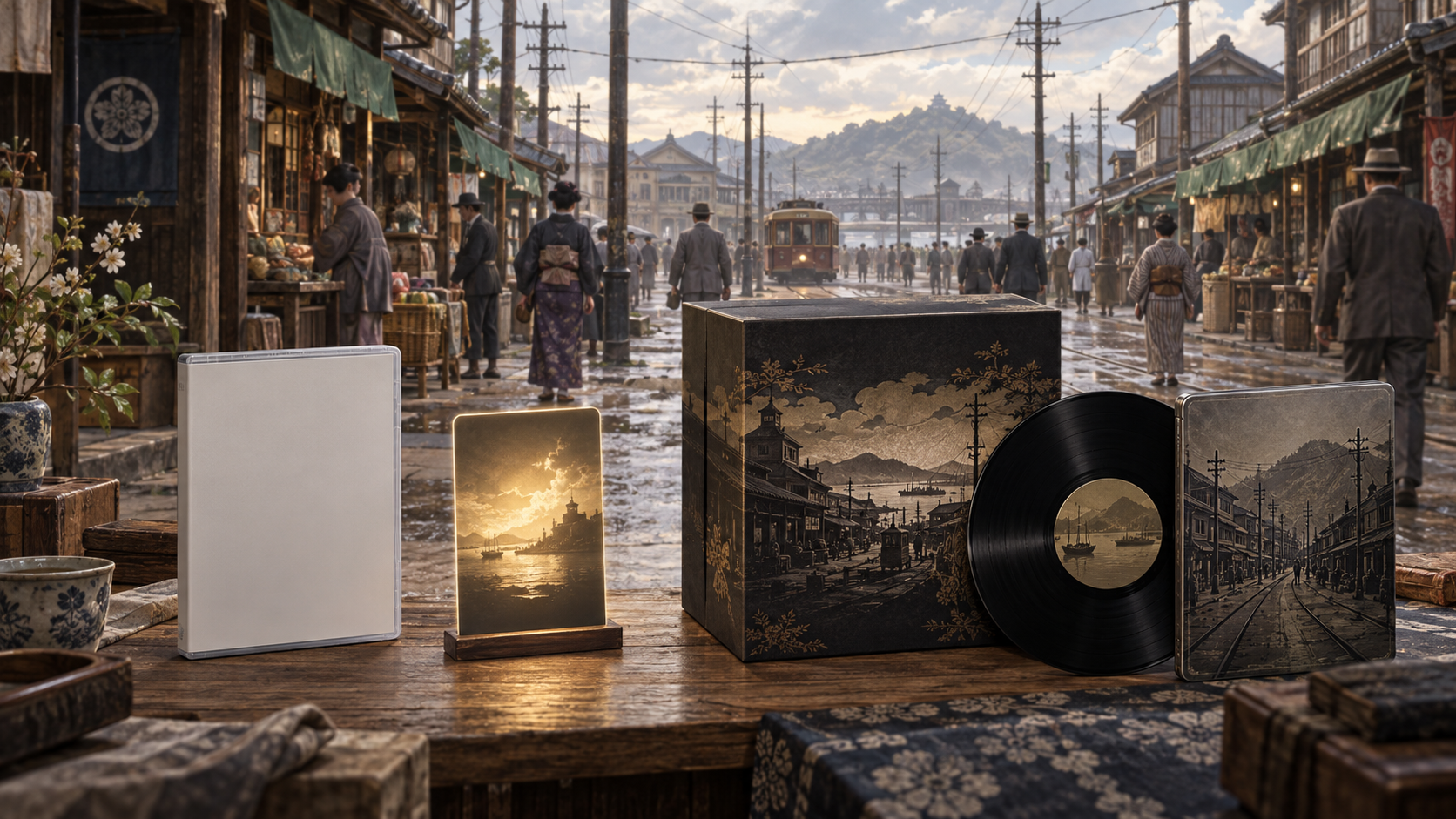
Stranger Than Heaven editions come in three main choices: Standard for the base game, Digital Deluxe for extra in-game items, and a limited PS5 Collector’s Edition with physical memorabilia and the Deluxe Upgrade. Sega lists a January 15, 2027 release in Japan, while the US Steam storefront currently displays January 14 because storefront dates can reflect regional timing. If you mainly want to play RGG Studio’s historical action-adventure, Standard is the straightforward buy. Deluxe is for players who will use its combat, performance and photography extras; Collector’s is for those who value the record and display pieces.
Stranger Than Heaven Editions at a Glance
Sega’s official edition announcement distinguishes the digital Standard and Deluxe editions from the limited physical Collector’s Edition. The game is planned for PlayStation 5, Xbox Series X|S, Xbox on PC and Steam, with Xbox Game Pass and Xbox Cloud availability also listed by Sega. However, the Collector’s package contains a PS5 disc, so it is not a physical Xbox or PC edition.
Prices depend on region and storefront. The table below uses Sega’s published Japanese tax-inclusive prices and the US Steam prices visible on September 21, 2026. It does not convert currencies or imply that Japan-only retail bundles are available globally.
| Edition | What you get | Japan price | US Steam price |
|---|---|---|---|
| Standard digital | Base game | ¥8,990 | $69.99 |
| Standard PS5 physical | Base game on disc | ¥9,900 | Not a Steam product |
| Digital Deluxe | Base game plus Deluxe content | ¥11,990 | $89.99 |
| PS5 Collector’s Edition | PS5 disc, Deluxe Upgrade code, vinyl record, SteelBook and box | ¥18,000 | Not a Steam product |
The Japanese prices come from the official game site, and the US PC prices come from the Steam store listing. Check your own regional store before paying. Taxes, retailer discounts, stock and platform-specific prices may differ, and the publisher can revise details before release.
What the Digital Deluxe Edition Adds
Digital Deluxe includes the base game, an outfit for protagonist Makoto Daito, four weapons, four skilled performers, three stage production items, a promotional poster, an in-game record player and an electronic camera. The Steam edition description says the record player lets players enjoy music from different eras at their home base, while the camera expands photography functions. These are game items, not a physical record, poster or camera delivered to your home.
The extras align with two of the game’s confirmed activities. Weapons affect combat options, whereas performers and stage items support the show-business system that Sega has described in its Tokyo Game Show gameplay update. That makes Deluxe more than a cosmetic costume pack, but Sega has not shown that any of its items are necessary to finish the story. We would not recommend paying more solely out of fear that Standard lacks a complete campaign.
There is also a lower-risk route for undecided buyers. Sega says Standard owners can purchase a Deluxe Upgrade later. The upgrade price and precise regional availability should be checked on your platform when it goes live, rather than assumed from the gap between full-edition prices. If you want to see how often you use the show’s management and photo features before spending extra, start with Standard.
What Comes in the PS5 Collector’s Edition
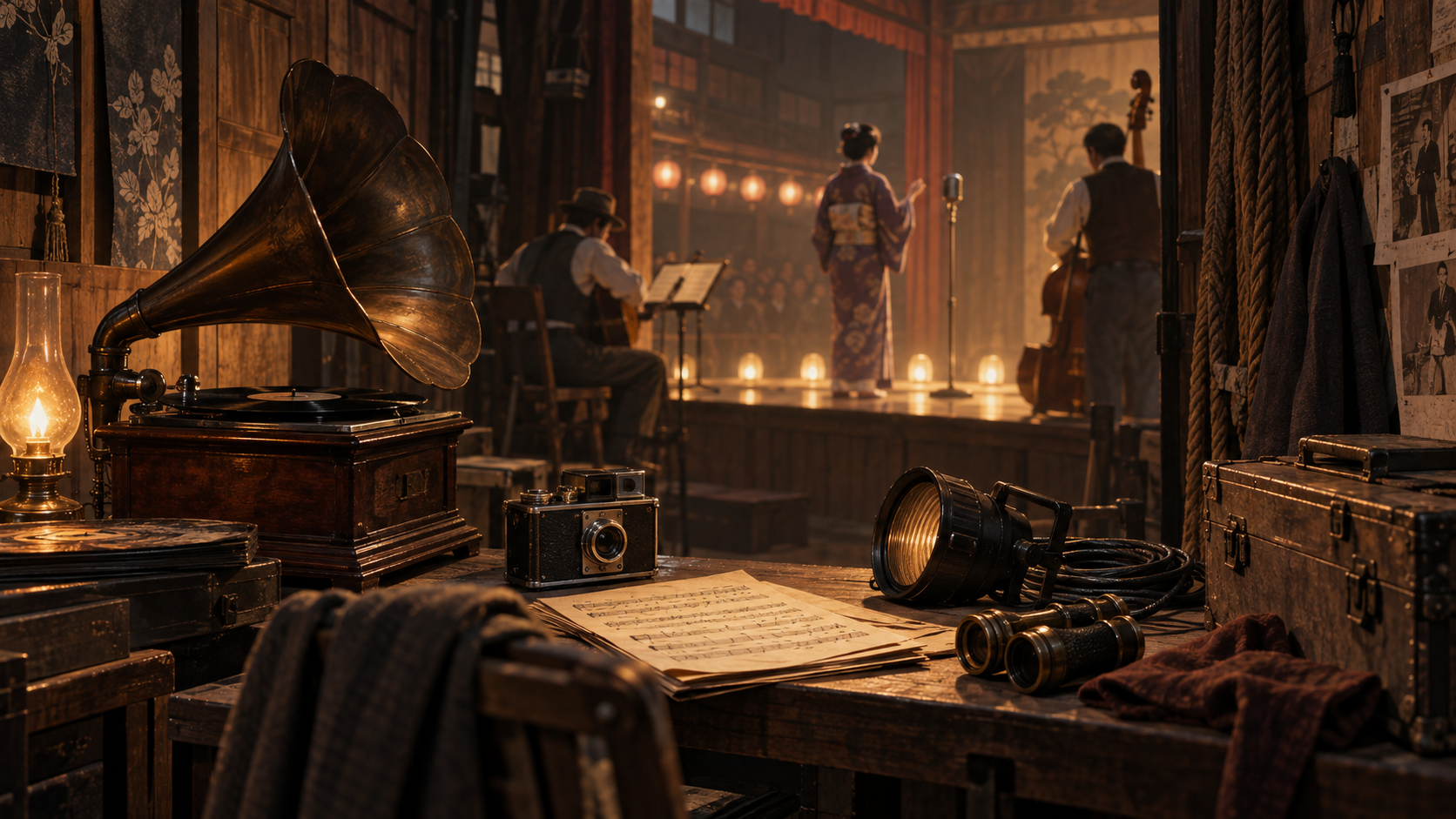
The Collector’s Edition contains the PS5 physical game, a Deluxe Upgrade voucher, a premium SteelBook, a collector’s box and a vinyl record with selected music, including the main theme. Sega also lists a voucher for the preorder weapon in its English Collector’s Edition breakdown. The vinyl is the major distinction from the Deluxe Edition’s in-game record player: one is a physical item, and the other is a game feature.
At ¥18,000 in Japan, Collector’s costs ¥6,010 more than the Japanese Digital Deluxe list price, but that comparison crosses physical and digital formats. The sensible question is whether you want a PS5 disc and the tangible record, SteelBook and box. If you play on PC or Xbox, this package does not provide a compatible copy for your platform.
Sega calls the edition limited. That describes its announced supply, not a guaranteed resale value or a reason to rush. Before ordering, verify the retailer’s stock, shipping region, import charges and whether the DLC voucher works with the region of your PlayStation account. The physical merchandise and voucher details can still change before release.
Preorder Weapon and Retailer Bonuses
Preorders include the in-game weapon Dosu: Kagekiri. Sega’s official materials say it is a preorder incentive across the relevant editions, and that owners can use it after advancing through the story. This does not establish that people who skip the preorder can obtain the weapon through normal play. Treat it as a bonus, not as proof that an edition contains a more complete campaign.
Japanese PS5 retailers offer different early-purchase extras while supplies last. Sega’s September 10 retailer notice lists an Amazon Japan wallpaper, a Don Quijote pin badge, a Rakuten Books aluminum calendar and region-themed film-and-sticker sets at several electronics chains. Sega Store Online also has a separate DX pack with a lenticular poster, cigarette case, lighter case and embroidered patch. These are retailer-specific offers, not contents of every Standard or Collector’s box.
The distinction matters if you compare a storefront screenshot with an international preorder page. A Japanese retailer bonus may not ship abroad and may run out before launch. Read the exact product listing, check the eligible edition and keep a copy of the stated offer. If you only care about playing the game, a reliable local seller usually matters more than a small exclusive accessory.
Release Date, Platforms and Game Pass
Sega’s Japanese product information gives January 15, 2027 as the planned release date. The US Steam page currently displays January 14, 2027. Those listings are not necessarily contradictory: stores often present unlock dates in local time zones. Sega has not supplied a universal hour-by-hour launch chart here, so do not assume a midnight unlock in your country. Check the platform store closer to release for the exact local time.
The officially named platforms are PS5, Xbox Series X|S and PC through Steam or Xbox on PC. Sega also lists Xbox Game Pass and Xbox Cloud. Availability through a subscription does not mean a subscriber owns the game, and the terms of a particular Game Pass tier can change. Confirm your tier and region in the Xbox app before planning around a day-one download. Sega has not announced a Switch 2 version in the cited product information.
PC buyers should note a separate unknown: Steam’s system-requirements panel still says the detailed minimum and recommended specifications are to be determined. That is a good reason to hold off on a PC preorder if your hardware sits near the edge of recent RGG releases. For other upcoming Japanese games, OtakuZasshi’s Kingdom Hearts 4 platform guide and Steins;Gate Re:Boot release guide provide similar confirmed-versus-unconfirmed checks.
Which Edition Should You Buy?
Choose Standard if you want the full story at the lowest listed entry price and are comfortable deciding on an upgrade later. Choose Digital Deluxe if the extra weapons, show-business personnel, stage items and camera sound like features you will actually use. Choose Collector’s only if you play on PS5 and actively want the physical record, SteelBook and presentation box. This is a value judgment based on Sega’s announced contents, not a claim that one edition improves the underlying game.
If you planned to try the game at Tokyo Game Show, note that the event’s September 21 final day was cancelled. Our Tokyo Game Show cancellation and refund guide explains the affected admission day; it does not change the game’s announced launch date or preorder terms. Published footage from earlier Sega presentations remains a better basis for judging the game than rumors about a cancelled stage program.
The best Stranger Than Heaven edition for most undecided players is Standard, because it contains the base game and leaves the option of a later Deluxe Upgrade. Deluxe makes sense when its confirmed in-game extras match how you plan to play. Collector’s is a PS5 memorabilia purchase as much as a game purchase. Before checkout, verify your local price, platform, release-time listing and retailer bonus, since those are the details most likely to vary by region.
Primary Sources
-
 Gaming2 years ago
Demon Slayer Game Set for Digital Release on Multiple Platforms in 2024
-

 Latest News3 years ago
Release Date Revealed for ‘Rascal Does Not Dream of a Knapsack Kid’
-
 Latest News4 years ago
Love is in Sight! Anime ‘Girl Forgot Glasses’ Unveils Promo & Cast
-
 Gaming3 years ago
Tekken 8 Closed Network Test in July: Register Now
-
 Latest News2 years ago
Kengan Ashura 2nd Season Part 2: Promo, Theme, and Debut Date
-
 Latest News2 years ago
Predicting the Epic: Demon Slayer’s Infinity Castle Arc Movie
-

 Latest News2 years ago
First Glimpse: Live-Action Blue Period Film Trailer Unveiled
-

 Latest News3 years ago
New Baki Manga by Keisuke Itagaki Launching August 2023