
Latest News
The Ribbon Hero: 7 Essential Netflix Release Details
The Ribbon Hero streams August 8 on Netflix. Discover Sapphire’s story, Princess Knight connection, cast, staff and striking visual direction.


The Ribbon Hero arrives worldwide on Netflix on August 8, 2026, reimagining the spirit of Osamu Tezuka’s landmark manga Princess Knight through a new feature-length anime. Directed by Yuki Igarashi and produced by Twin Engine with animation studio Outline, the film follows Princess Sapphire after the calamity Nergal destroys her homeland and threatens the fragile hope she finds elsewhere.
The release has already attracted attention for its bold visual identity, distinctive animation team, and modern approach to one of manga’s foundational heroines. This guide brings together the confirmed Netflix date, story, cast, staff, and creative connection to Princess Knight without revealing more than the official trailers and website.
The Ribbon Hero Netflix Release Date and Time
The Ribbon Hero release date is Saturday, August 8, 2026. Netflix will stream the film exclusively worldwide, making it available to international viewers without a separate theatrical window announced on the official site. As with other Netflix originals, the exact local availability time may vary by region and account display.
Viewers should add the film to their Netflix list through its official title page rather than relying on unofficial countdowns. Netflix sometimes updates language tracks, subtitles, and accessibility information close to launch, so checking the app on release day will provide the most accurate regional options.
How the Story Reimagines Princess Knight

The movie takes inspiration from Osamu Tezuka’s Princess Knight, but its official description presents a newly constructed story. Princess Sapphire comes from the lost kingdom of Silverland, which was destroyed by a calamity called Nergal. After reaching Goldland in despair, she gradually finds hope through the kindness of its people.
That peace does not last. Nergal appears again and threatens to take another home from her, pushing Sapphire to choose action instead of surrender. She ties her ribbon, takes up her sword, and resolves to resist fate. Therefore, the film’s connection to Tezuka is not simply cosmetic: it retains a princess who claims the role of hero while building a new fantasy conflict around grief, responsibility, and renewal.
Princess Sapphire Leads a New Cast of Characters
Sāya of the comedy duo Lalande voices Sapphire in Japanese. The official cast also includes Seiran Kobayashi as Pine, Koki Uchiyama as Velvet, Mayumi Shintani as Zirco, Yoshimasa Hosoya as Rock, and Mito Tsukino as Hecate. Additional unusual creature characters expand the film’s storybook ensemble.
The character designs use strong silhouettes, ribbons, layered fabrics, and sharp color contrasts rather than copying the appearance of Tezuka’s original panels. Sapphire’s white outfit, red ribbon, dark hair, and slender sword immediately communicate the heroic motif, while the supporting cast introduces softer and stranger shapes around her. That visual range suggests a world built to shift between warmth, comedy, danger, and loss.
Why Director Yuki Igarashi Is Worth Watching
Yuki Igarashi directs the film after earning attention for highly expressive animation work and for directing the Star Wars: Visions short “Lop & Ochō.” Netflix describes The Ribbon Hero as his feature-length directorial debut. That makes the film particularly interesting for animation fans who follow creators as closely as franchises.
Igarashi’s work often emphasizes motion, shape, and emotional staging. The Ribbon Hero’s trailers reflect that interest through sweeping fabric, graphic red ribbons, collage-like backgrounds, and action that remains readable even when the frame becomes dense. The result looks less like a routine legacy-property update and more like a film with its own directorial argument.
The Creative Team Behind the Film’s Visual Style
Kei Mochizuki created the original character concepts, with Mai Yoneyama contributing character-design cooperation. Issei Arakaki serves as animation character designer, while Cedric Herole is the art director. Okama designed Nergal, and Masanobu Nomura leads the background art. Together, these artists shape the film’s unusual mix of clean character animation, decorative frames, organic ruins, and aggressive ribbon imagery.
Junko Komura provides screenplay cooperation. Satoru Kōsaki and Ryūichi Takada of MONACA compose the music, while Keiichiro Miyoshi serves as sound director. Twin Engine produces the project, and Outline handles animation production. Those credits come directly from the film’s official website and help explain why the trailers feel visually coordinated rather than built around one isolated design idea.
What Nergal Represents in Sapphire’s Journey
Nergal is the calamity that destroyed Silverland and now threatens Goldland. The official material presents it as both a literal danger and the force that makes Sapphire confront her fear of losing another home. Its dark organic design contrasts with Sapphire’s bright white costume and vivid red ribbon, turning their conflict into a readable visual metaphor.
However, the trailers do not explain every rule behind Nergal or reveal how the final confrontation unfolds. Viewers should approach detailed online theories as speculation unless Netflix or the official film site confirms them. The mystery is part of the movie’s appeal, especially because Sapphire’s emotional decision matters as much as the threat’s mythology.
Should You Watch The Ribbon Hero on Netflix?
Fans of creator-driven animation, fantasy films, and modern reworkings of classic manga should place The Ribbon Hero high on their August watchlist. Knowledge of Princess Knight may add historical context, but the official synopsis gives Sapphire a complete new starting point. Consequently, the film appears designed to welcome viewers who have never read Tezuka’s manga.
It may also appeal to audiences who enjoyed visually adventurous anthology projects or stories about heroes rebuilding themselves after loss. Readers looking for more viewing ideas can explore OtakuZasshi’s anime recommendations. The best reason to watch, though, is the film’s own identity: its trailers promise a personal fantasy story shaped by a distinctive team rather than nostalgia alone.
The Ribbon Hero streams worldwide on Netflix on August 8, 2026. Its story follows Princess Sapphire as she confronts Nergal, protects Goldland, and turns a red ribbon into a declaration that fate can be challenged. Yuki Igarashi’s feature debut combines Tezuka inspiration with a new cast, new world, and striking contemporary animation style.
Confirm the date, story, staff, and cast through The Ribbon Hero official website and Netflix’s official Tudum guide. OtakuZasshi will update this article if Netflix announces additional language, runtime, or release information.


Latest News
BLACK TORCH Episode Release Time: Complete 2026 Schedule
Find the BLACK TORCH episode release time worldwide, plus Crunchyroll streaming regions, same-day English dub details, and the projected weekly schedule.
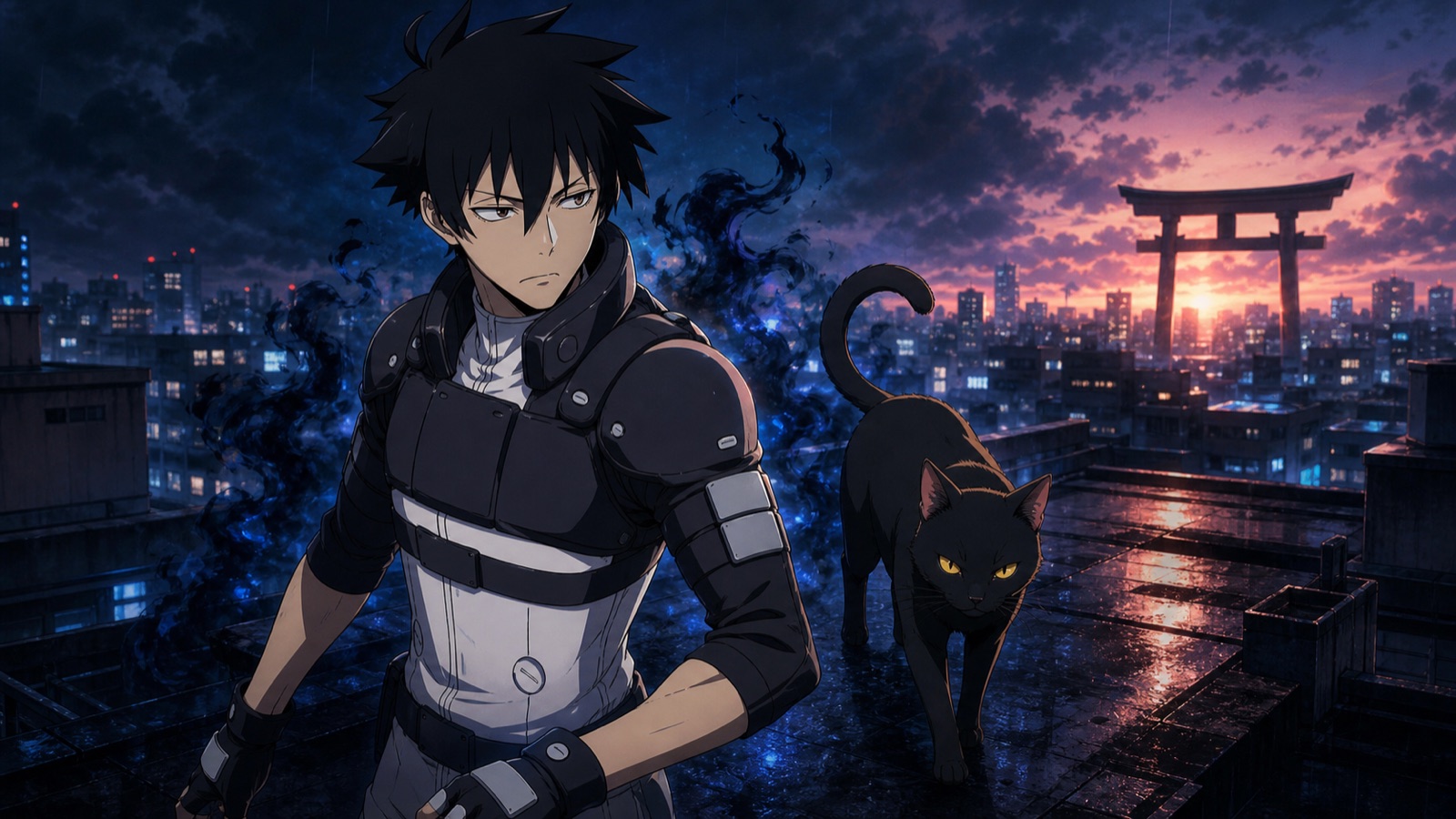
BLACK TORCH Episode 7 is due on Crunchyroll on Saturday, August 15, 2026, at 6:00 a.m. Pacific Time. That converts to 9:00 a.m. Eastern Time, 2:00 p.m. in the United Kingdom, 3:00 p.m. in Central Europe, 6:30 p.m. in India, 10:00 p.m. in Japan, and 11:00 p.m. in Sydney. Crunchyroll releases the subtitled episode and English dub in the same Saturday window.
The BLACK TORCH episode release time comes directly from Crunchyroll’s official series guide, which lists new episodes at 6:00 a.m. PT. The official BLACK TORCH anime website also places the Japanese broadcast and fastest domestic streams at 10:00 p.m. JST every Saturday. Platform schedules can still change, so this guide separates confirmed timing from projected episode dates.
BLACK TORCH Episode Release Time by Country
Crunchyroll’s 6:00 a.m. Pacific slot is simultaneous with the 10:00 p.m. Saturday Japanese premiere. Therefore, most viewers receive each episode during Saturday daytime or evening. The current conversions below use daylight-saving time where applicable on August 15.
| Region | Local release time | Release day |
|---|---|---|
| US Pacific | 6:00 a.m. PDT | Saturday |
| US Eastern | 9:00 a.m. EDT | Saturday |
| United Kingdom | 2:00 p.m. BST | Saturday |
| Central Europe | 3:00 p.m. CEST | Saturday |
| India | 6:30 p.m. IST | Saturday |
| Philippines | 9:00 p.m. PHT | Saturday |
| Japan | 10:00 p.m. JST | Saturday |
| Australia, Sydney | 11:00 p.m. AEST | Saturday |
Episodes sometimes take several minutes to populate across every app, subtitle track, and regional catalog. If the episode does not appear exactly at the listed time, refresh the series page or check Crunchyroll’s live release calendar. Although the BLACK TORCH episode release time stays anchored to the platform slot, local clocks can shift later in the year when daylight-saving rules change.
Weekly BLACK TORCH Episode Schedule
BLACK TORCH premiered on July 4 and follows a weekly Saturday release pattern. As a result, the BLACK TORCH episode release time puts Episode 7 on August 15. The first seven dates below follow the released weekly sequence, while later dates are projections based on Crunchyroll’s announced Saturday schedule.
| Episode | Date | Status |
|---|---|---|
| Episode 1 | July 4, 2026 | Released |
| Episode 2 | July 11, 2026 | Released |
| Episode 3 | July 18, 2026 | Released |
| Episode 4 | July 25, 2026 | Released |
| Episode 5 | August 1, 2026 | Released |
| Episode 6 | August 8, 2026 | Released |
| Episode 7 | August 15, 2026 | Due today |
| Episode 8 | August 22, 2026 | Projected |
| Episode 9 | August 29, 2026 | Projected |
| Episode 10 | September 5, 2026 | Projected |
| Episode 11 | September 12, 2026 | Projected |
| Episode 12 | September 19, 2026 | Projected |
The official sources reviewed for this update confirm the weekly timing but do not state a final season episode count. Consequently, September 19 should not be treated as a confirmed finale date. A recap week, production delay, special program, or longer order could change the later entries, and OtakuZasshi will update this table when the production committee publishes firmer information.
Where to Watch BLACK TORCH Legally
Crunchyroll is the confirmed international streaming home. Its official guide lists North America, Central America, South America, Europe, Africa, Oceania, the Middle East, CIS, the Indian Subcontinent, and Southeast Asia. However, catalog and language availability can still differ by country, so viewers should sign in and check the local BLACK TORCH series page.
Japan has a broader platform arrangement. The official anime site lists ABEMA, d Anime Store, U-NEXT, and Anime Times from 10:00 p.m. JST on Saturdays. Additional services, including Hulu Japan, Prime Video, Disney+ Star, FOD, and DMM TV, begin later on Thursdays. The same page lists a November 5 start for Netflix in Japan, which is not the same as Crunchyroll’s international simulcast.
Does the English Dub Release at the Same Time?
Yes. Crunchyroll launched the BLACK TORCH English dub alongside the Japanese-language episode on July 4 and lists both versions at 6:00 a.m. Pacific Time on Saturdays. That same-day arrangement is especially useful for viewers who want to follow weekly discussion without waiting several episodes for the dub.
The English cast includes AJ Beckles as Jiro and Keith Silverstein as Rago. Still, an individual audio track can appear a few minutes after the episode page goes live. Check the episode’s audio selector before assuming a delay, and use the platform’s official calendar if one version is temporarily missing.
What BLACK TORCH Is About
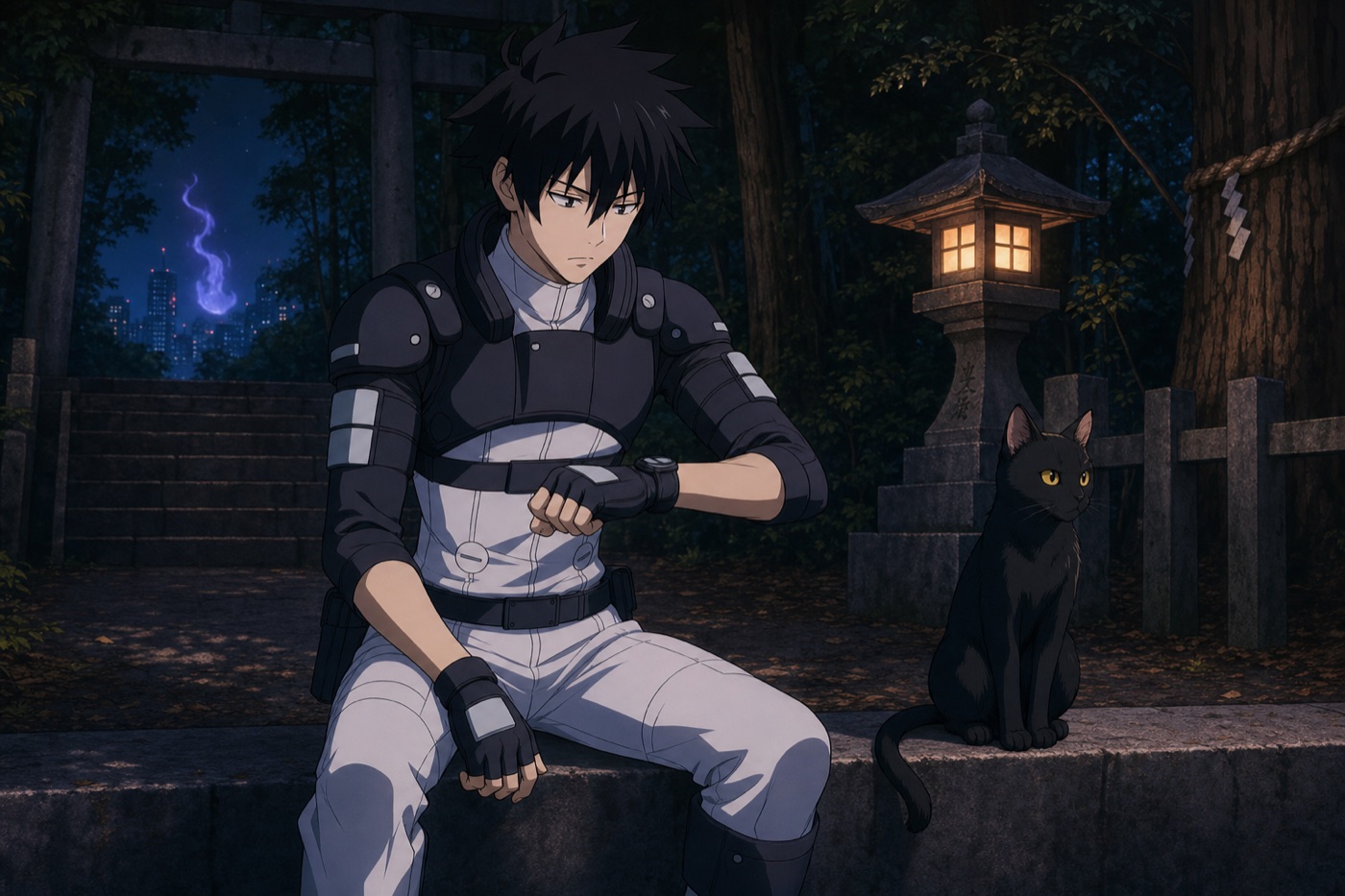
BLACK TORCH adapts Tsuyoshi Takaki’s five-volume manga about Jiro Azuma, a teenager descended from shinobi who can communicate with animals. His life changes after he helps Rago, a wounded black cat who is actually a powerful mononoke. Their encounter pulls Jiro into a hidden conflict involving supernatural beings and the government’s Bureau of Espionage.
Kei Umabiki directs the anime at 100studio, Gigaemon Ichikawa handles series composition, Go Suzuki designed the characters, and Yutaka Yamada composed the music. SiM performs the opening theme, “FREEZE ME UP,” while I Don’t Like Mondays. performs the ending, “Groooovy.” Readers who want to compare the adaptation with its source can find the complete official English manga listing on VIZ Media’s BLACK TORCH page.
How to Avoid Missing a New Episode
To follow the BLACK TORCH episode release time accurately, bookmark the Crunchyroll series page and check it shortly after 6:00 a.m. PT each Saturday. Mobile and television apps may cache an older episode list, so reopening the show page can help. Viewers outside the United States should follow the local time table above instead of converting Pacific Time every week.
For an accurate countdown, use the official weekly slot rather than a third-party timer that may ignore daylight-saving changes. Also watch the anime’s official news feed for delays or special programming. OtakuZasshi will keep the projected dates clearly labeled until each one becomes confirmed.
Read Next
- Follow another current simulcast with the Re:Zero Season 4 Part 2 release-time schedule.
- Check the next major shonen broadcast in our Bleach TYBW Part 4 episode guide.
- See what is coming from another dark-fantasy production in the Made in Abyss: Awakening Mystery trailer breakdown.
The BLACK TORCH episode release time is 6:00 a.m. Pacific Time every Saturday on Crunchyroll, with the subtitled version and English dub scheduled together. Episode 7 is due August 15 at 6:30 p.m. in India, 2:00 p.m. in the United Kingdom, and 10:00 p.m. in Japan. Later dates remain projections until the official anime team confirms the full season order or announces a schedule change.
Latest News
Re:Zero Season 4 Part 2 Release Time and Full Schedule
Re:Zero Season 4 Part 2 release time, regional streaming hours, full episode schedule, dub status, and where to watch every Wednesday on Crunchyroll.
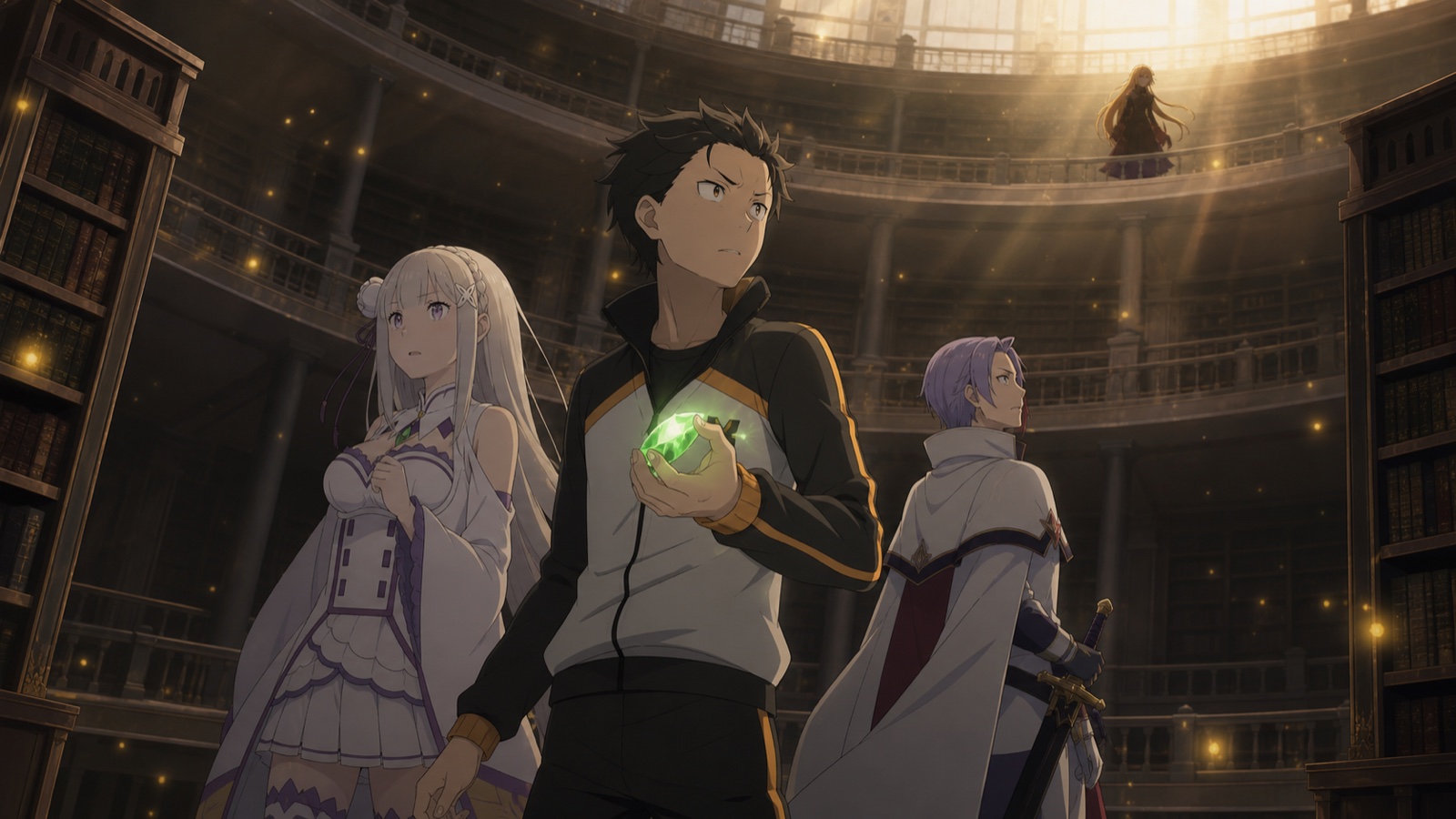
Re:Zero Season 4 Part 2 began on Wednesday, August 12, 2026, with Episode 12 on Crunchyroll. The Recapture Arc contains eight episodes and is expected to continue weekly on Wednesdays through September 30 if the schedule stays uninterrupted. Crunchyroll has not published one permanent Part 2 streaming time in its seasonal listing, so viewers should treat the regional times below as the established Season 4 window and check the live release calendar for any change.
This guide separates confirmed details from projected dates. The official Japanese broadcast page confirms the August 12 return, the eight-episode count, and weekly Wednesday broadcasts. Crunchyroll confirms streaming territories that include India, North America, Europe, Africa, Oceania, the Middle East, CIS, and Southeast Asia. It also carried the first part at 7:00 a.m. Pacific Time, which provides the best reference point for the new cour.
Re:Zero Season 4 Part 2 Release Time by Region
The established Crunchyroll window for Season 4 is approximately 7:00 a.m. Pacific Time on Wednesdays. During August, that converts to 10:00 a.m. Eastern Time, 3:00 p.m. in the United Kingdom, 4:00 p.m. in Central Europe, and 7:30 p.m. in India. In Japan, the official site lists the earliest domestic television broadcast on AT-X at 10:00 p.m. JST, followed by TOKYO MX at 11:00 p.m. JST. Japanese streaming on ABEMA and d Anime Store begins at 10:30 p.m. JST.
| Region | Expected Crunchyroll window | Release day |
|---|---|---|
| US Pacific | 7:00 a.m. PT | Wednesday |
| US Eastern | 10:00 a.m. ET | Wednesday |
| United Kingdom | 3:00 p.m. BST | Wednesday |
| Central Europe | 4:00 p.m. CEST | Wednesday |
| India | 7:30 p.m. IST | Wednesday |
| Philippines | 10:00 p.m. PHT | Wednesday |
| Australia, Sydney | 12:00 a.m. AEST | Thursday |
These conversions assume Crunchyroll keeps the earlier Season 4 slot. The platform’s Summer 2026 lineup confirmed August 12 but still marked the Part 2 airtime as TBA when last updated. Episodes can also take several minutes to appear across apps and regional catalogs. Therefore, use the Crunchyroll simulcast calendar as the final check each Wednesday.
Complete Recapture Arc Episode Schedule
The official Re:Zero website describes Season 4 as an 11-episode Loss Arc followed by an eight-episode Recapture Arc. Episode 12 starts the second part, which brings the total season order to 19 episodes. The production has confirmed the weekly Wednesday pattern, but it has not guaranteed every individual date in advance.
| Season 4 episode | Part 2 position | Expected date | Status |
|---|---|---|---|
| Episode 12 | Part 2 Episode 1 | August 12, 2026 | Released |
| Episode 13 | Part 2 Episode 2 | August 19, 2026 | Projected |
| Episode 14 | Part 2 Episode 3 | August 26, 2026 | Projected |
| Episode 15 | Part 2 Episode 4 | September 2, 2026 | Projected |
| Episode 16 | Part 2 Episode 5 | September 9, 2026 | Projected |
| Episode 17 | Part 2 Episode 6 | September 16, 2026 | Projected |
| Episode 18 | Part 2 Episode 7 | September 23, 2026 | Projected |
| Episode 19 | Part 2 Episode 8 | September 30, 2026 | Projected finale |
A recap, production delay, or special broadcast could move a projected date. We will update the table if the official site or Crunchyroll announces a change. For broader information about the arc, cast, and story setup, see OtakuZasshi’s Re:Zero Season 4 Part 2 release guide.

Where to Watch Part 2 Legally
Crunchyroll is the confirmed international streaming home for Re:Zero Season 4. Its official announcement covers North America, Central America, South America, Europe, Africa, Oceania, the Middle East, CIS, India, and Southeast Asia. Catalog availability can still vary by country, so sign in and search for the Season 4 page rather than assuming every audio track appears in every territory.
In Japan, AT-X airs the earliest television broadcast at 10:00 p.m. JST. ABEMA and d Anime Store begin their fastest domestic streams at 10:30 p.m. JST, while TOKYO MX follows at 11:00 p.m. JST. Other Japanese broadcasters use later overnight slots. These domestic services and times should not be confused with the international Crunchyroll release.
English Dub Status for the Recapture Arc
Crunchyroll launched the first 11 episodes of Season 4 with same-day English dubs. However, that announcement applied to the April premiere, and the Summer 2026 lineup did not provide a firm Part 2 dub time. Viewers should not assume that every Recapture Arc dub will arrive simultaneously until the English audio option appears on the episode page or Crunchyroll posts a new schedule.
If Episode 12 initially shows only Japanese audio, the most accurate answer is that the Part 2 English dub schedule remains unconfirmed. Avoid unofficial countdowns that copy the Part 1 arrangement without checking the current episode. Crunchyroll’s episode selector and release calendar provide stronger evidence than social posts or automated search summaries.
What to Remember Before Episode 12
The Recapture Arc resumes directly after the Loss Arc, so Episode 12 is not a standalone premiere. The first part followed Subaru’s group into the Augria Sand Dunes and the Pleiades Watchtower while several characters faced stolen names, damaged memories, and other consequences linked to the Authority of Gluttony. A full rewatch is optional, but Episode 11 deserves a refresher because Part 2 continues its immediate conflict.
This schedule guide stays spoiler-light. The official Season 4 material confirms Subaru, Emilia, Beatrice, Julius, Anastasia, and the tower’s mysterious keeper Shaula as central figures. Beyond that setup, viewers will get more from the new episodes by avoiding plot claims based on light-novel material that the anime has not yet adapted.
Why This Schedule Is Worth Bookmarking
Split-cour seasons create two numbering systems that can confuse viewers. Some platforms present the return as Season 4 Episode 12, while fans may call it Part 2 Episode 1. Both labels point to the same installment. The table above keeps the full-season number beside the Part 2 position, which should make weekly searches easier.
Time-zone changes can create another problem. India remains on IST throughout the run, but other regions may change daylight-saving rules later in the year. The projected September dates should remain at the same local times for the territories listed above, yet the live Crunchyroll calendar remains the final authority if distribution changes.
Read Next
- Track another weekly simulcast with our One Piece episode release guide.
- Check the latest fantasy-anime announcement in our Made in Abyss trailer breakdown.
- Review the confirmed final-season timing in our Bleach TYBW Part 4 release coverage.
The Re:Zero Season 4 Part 2 release time follows the show’s established Wednesday Crunchyroll window, with India viewers expecting new subtitled episodes around 7:30 p.m. IST and US viewers around 7:00 a.m. PT. Episode 12 launched the eight-part Recapture Arc on August 12, while the remaining dates are weekly projections through September 30. Check the official calendar before each episode, especially while Crunchyroll has not published a permanent Part 2 airtime or confirmed the continuing dub schedule.
Latest News
Your Name 4K Remaster Returns to Theaters August 14
Your Name 4K remaster returns to North American theaters August 14. Find ticket details, language options, and what makes it special.
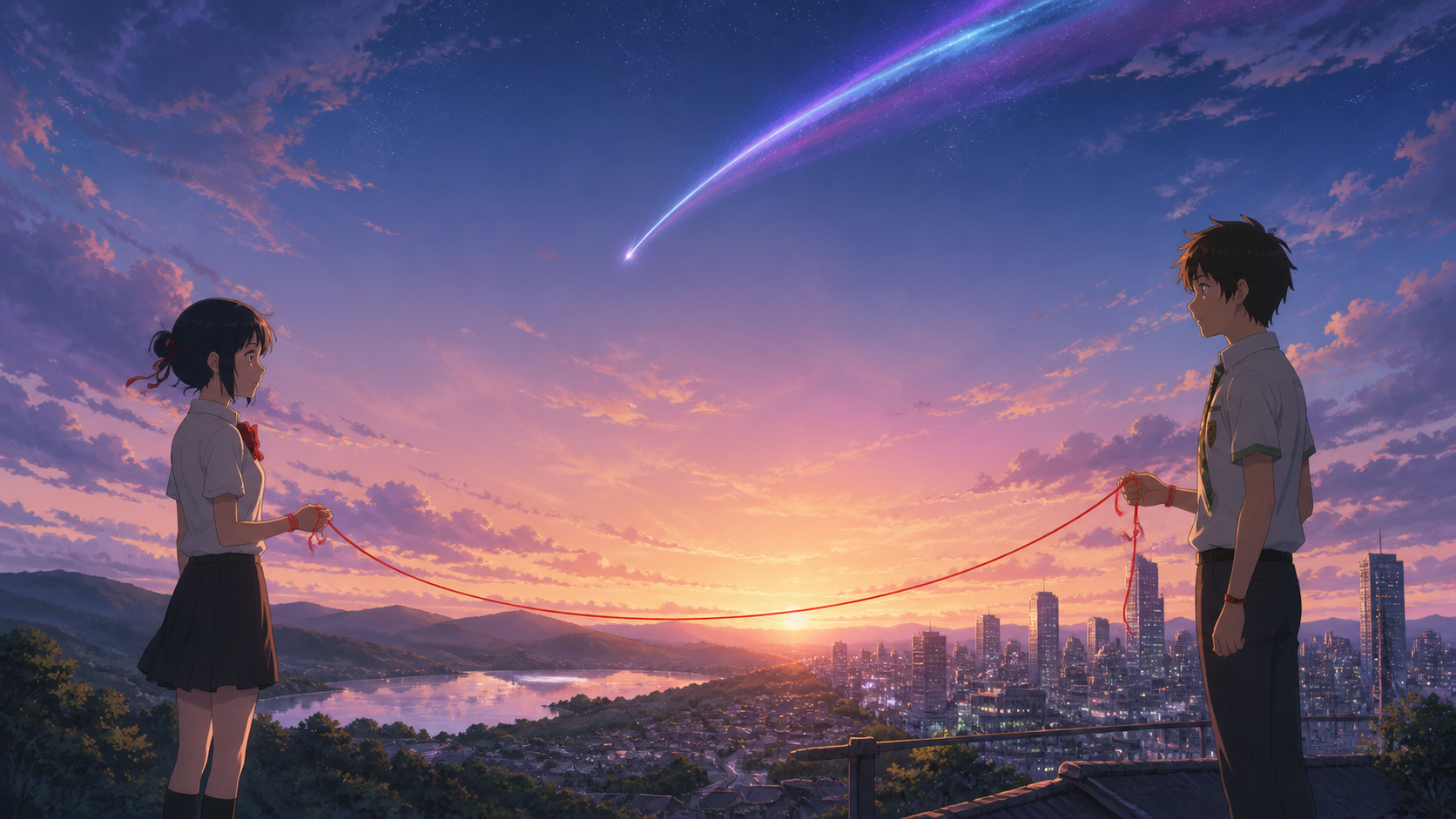
Your Name is returning to theaters in a new 4K remaster on August 14, 2026. GKIDS has confirmed that the 10th anniversary release will open across North America, with screenings offered in both the original Japanese language and an English dub. Tickets are already on sale through participating cinemas, making this the right moment to check local showtimes before the most convenient sessions fill up.
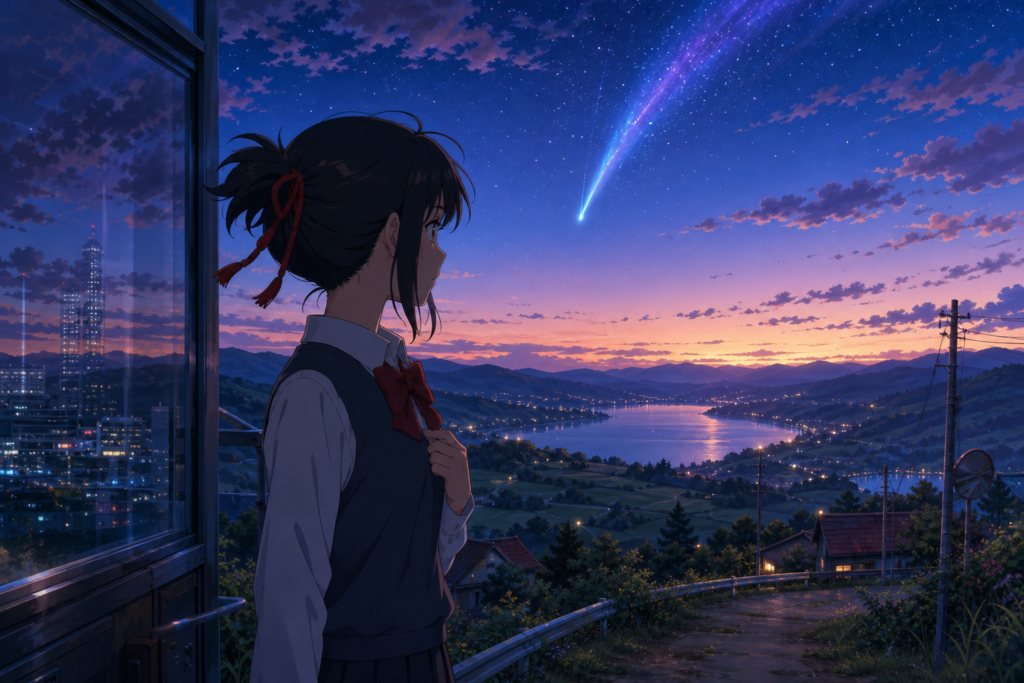
Makoto Shinkai’s 2016 film has never depended on spectacle alone. Its body-swapping premise gradually becomes a story about memory, distance, disaster, and the fragile effort required to reach another person. However, its finely drawn skies, changing light, crowded Tokyo streets, and rural Itomori landscapes make it especially suited to a large screen. The Your Name 4K remaster gives longtime fans a reason to return while offering first-time viewers a theatrical experience that streaming cannot fully reproduce.
Your Name 4K Remaster Release Date and Tickets
The new remaster begins its North American theatrical run on Friday, August 14, 2026. GKIDS describes the release as nationwide, although individual theater participation and showtimes will vary by city. The distributor has opened a ticket portal on the official Your Name film page, where viewers can search nearby screenings. Because GKIDS has not announced one universal closing date, audiences should check each cinema’s listing rather than assume the film will remain for several weeks.
That distinction matters for anniversary engagements. Some venues may schedule daily screenings, while others may offer only selected evening or weekend sessions. Therefore, fans planning a group visit should compare dates, formats, and language labels carefully before buying. The official page is the safest starting point, and the cinema’s checkout page should provide the final confirmation for time, auditorium, accessibility options, and refund policies.
Japanese Audio and English Dub Screenings
GKIDS has confirmed both the original Japanese-language version and the English dub for the rerelease. In most listings, the Japanese version should be marked as subtitled, while the dub should be labeled separately. Still, theater interfaces are not always consistent. Viewers who strongly prefer one version should verify the language on the final ticket page instead of relying only on a search-result card.
The choice changes the experience, but neither option is inherently the wrong one. Japanese audio preserves the original vocal performances, while the dub lets viewers focus more continuously on the animation. Moreover, RADWIMPS’ music remains central in either presentation. Fans revisiting the film may even choose a different track from the one they watched in 2016 or 2017, which can make familiar scenes feel newly immediate.
What the New 4K Presentation Can Improve
A 4K remaster can present a higher-resolution image with cleaner fine detail than many older theatrical or home releases. For Your Name, the potential benefits are easy to understand. The film frequently contrasts dense urban architecture with open rural space, then uses clouds, reflections, sparks, and shifting twilight colors to connect those worlds. A well-projected 4K master can make those layers easier to appreciate without changing the underlying artwork.
However, the advertised remaster does not guarantee that every theater will project at native 4K. The final presentation depends on the venue, screen, projector, and auditorium. Audiences who care about technical quality should look for a premium or explicitly labeled 4K showing when available. Even in a standard auditorium, though, the new restoration and theatrical sound can offer a meaningful upgrade over watching on a phone or laptop.
Why Your Name Still Connects Ten Years Later
The film’s emotional engine remains remarkably accessible. Mitsuha wants a life beyond her small hometown, while Taki moves through Tokyo without understanding the connection reshaping his days. Their body swaps create comedy and intimacy, yet the story steadily asks a larger question: how can someone hold onto a person when names, memories, and even time begin to slip away? That tension gives the romance weight beyond its supernatural setup.
Shinkai also ties personal longing to place. Itomori is not just a picturesque background, and Tokyo is not merely a symbol of modern excitement. Each location changes how the characters understand themselves and each other. Readers who want a spoiler-light appreciation of the film can revisit OtakuZasshi’s earlier feature, Your Name: Anime Magic for the Soul, before deciding whether to see the anniversary engagement.
How the Film Fits Makoto Shinkai’s Career
Your Name brought Shinkai’s recurring interests to a much larger global audience. Earlier works often explored separation, missed timing, weather, travel, and communication through intimate relationships. OtakuZasshi’s look at The Garden of Words highlights several of those qualities on a smaller scale. In Your Name, Shinkai joins them to a mystery with broader momentum, allowing quiet emotional details and blockbuster storytelling to reinforce each other.
The director later expanded that approach through Weathering with You and Suzume. Although each film stands alone, all three use extraordinary events to examine ordinary needs for connection, responsibility, and belonging. Our coverage of Suzume’s box office rise shows how the international audience for Shinkai continued to grow. Consequently, this rerelease is more than nostalgia. It lets viewers reconsider the film that changed the scale of his career.
What to Know Before You Go
First-time viewers should avoid plot-heavy trailers, recaps, and social posts. The official synopsis reveals only the body-swapping setup, and the film works best when its later shift arrives without detailed preparation. Arriving early is also sensible because anniversary screenings often attract fans who want to see the trailer program and hear the opening music from the beginning. If subtitles are important, seats closer to the center can provide a more comfortable balance between reading and taking in the full frame.
Returning viewers may want to listen for how the music structures the film rather than treating it as background. They can also watch how phones, handwritten notes, trains, doors, and the red braided cord carry information between characters. These recurring objects make the story’s complicated chronology feel emotionally coherent. In addition, the larger image should reward attention to background details that can disappear on smaller displays.
Is Your Name Worth Revisiting in 4K?
For anyone who loves the film, the answer is straightforward: this is the most significant announced North American theatrical return tied to its 10th anniversary. The combination of a new 4K remaster, original Japanese audio, an English dub, and nationwide distribution makes it more accessible than a one-night event. New viewers also have an unusual chance to encounter a modern anime landmark in the format that best serves its scale.
The main caveat is local presentation. Check the language, projector format, and showtime directly with the theater before purchasing. Beyond that, the August 14 rerelease offers something streaming cannot recreate: a dark room, a wide image, full theatrical sound, and an audience discovering the same emotional turns together.
The Your Name 4K remaster arrives at an ideal moment. Ten years after its Japanese debut, Mitsuha and Taki’s search for connection still feels immediate, while the film’s visual craft remains built for the cinema. Check the official GKIDS announcement and your local theater listing for confirmed screenings beginning August 14. Whether this is a return visit or a first encounter, the anniversary release promises a rare chance to experience Shinkai’s breakthrough on the big screen.
-

 Gaming2 years ago
Demon Slayer Game Set for Digital Release on Multiple Platforms in 2024
-

 Latest News3 years ago
Release Date Revealed for ‘Rascal Does Not Dream of a Knapsack Kid’
-
 Latest News4 years ago
Love is in Sight! Anime ‘Girl Forgot Glasses’ Unveils Promo & Cast
-

 Gaming3 years ago
Tekken 8 Closed Network Test in July: Register Now
-

 Latest News2 years ago
Kengan Ashura 2nd Season Part 2: Promo, Theme, and Debut Date
-

 Latest News2 years ago
Predicting the Epic: Demon Slayer’s Infinity Castle Arc Movie
-

 Latest News2 years ago
First Glimpse: Live-Action Blue Period Film Trailer Unveiled
-

 Latest News3 years ago
New Baki Manga by Keisuke Itagaki Launching August 2023